The Ultimate Guide to Windows RDP: Balancing High Performance with Full Admin Control
Table of Contents
Remote work feels smooth when the machine on the other end responds like it is sitting under your desk. If you plan to buy Windows RDP access, Windows RDP security, and RDP server requirements should be checked before you choose any remote plan.
A fast RDP server can run apps, automation, files, and testing without tying up your personal computer. The best setup gives you speed, secure access, and admin control in one Windows desktop environment.
In brief
An RDP plan gives you access to a Windows server or virtual desktop from another device. The best plans combine administrator privileges, Windows RDP security controls, enough CPU and RAM for your workload, fast storage, a dedicated IP, DDoS protection, and fast deployment.
Use it when you need a stable hosted workspace for software, files, automation, browsing, trading tools, or testing. Before you buy Windows RDP, check the provider’s hardware, licensing, support, availability, security rules, RDP server requirements, and upgrade path.
Why Performance Matters More Than Ever
A slow remote session wastes time in small cuts. Apps take longer to open. File transfers drag. Scheduled tasks miss their mark. Your RDP client may connect, but the session feels heavy.
Performance is not a luxury feature. It is the difference between a usable session and a server you avoid using.
High-performance remote servers use modern CPU resources, steady bandwidth, low response time, and NVMe SSD storage to keep the desktop responsive. NVMe matters because storage speed affects boot time, file access, and how quickly software opens inside the server. When you buy Windows RDP for daily work, these details are part of the real RDP server requirements, not extras.
What Makes a High-Quality Remote Desktop Server Different?
Price is easy to compare. Real quality takes a closer look.
If you plan to NIST requirements for protecting controlled information, look past the cheapest monthly number and check the whole environment. A good RDP plan should give you enough power, Windows RDP security, secure remote access, and room to scale when your needs grow.
A strong remote desktop service should feel controlled, not boxed in. You should know what you are getting before checkout, especially if your RDP server requirements include admin rights, automation, or business files.
- Full administrator access
- AMD Ryzen-powered or comparable enterprise-grade infrastructure
- NVMe SSD storage
- Dedicated IP address
- Built-in DDoS protection
- Instant deployment
- Flexible resource upgrades
- Secure remote login
Microsoft’s Remote Desktop Services overview is also useful if you want to understand how access roles work in Windows Server environments.
Server Features at a Glance
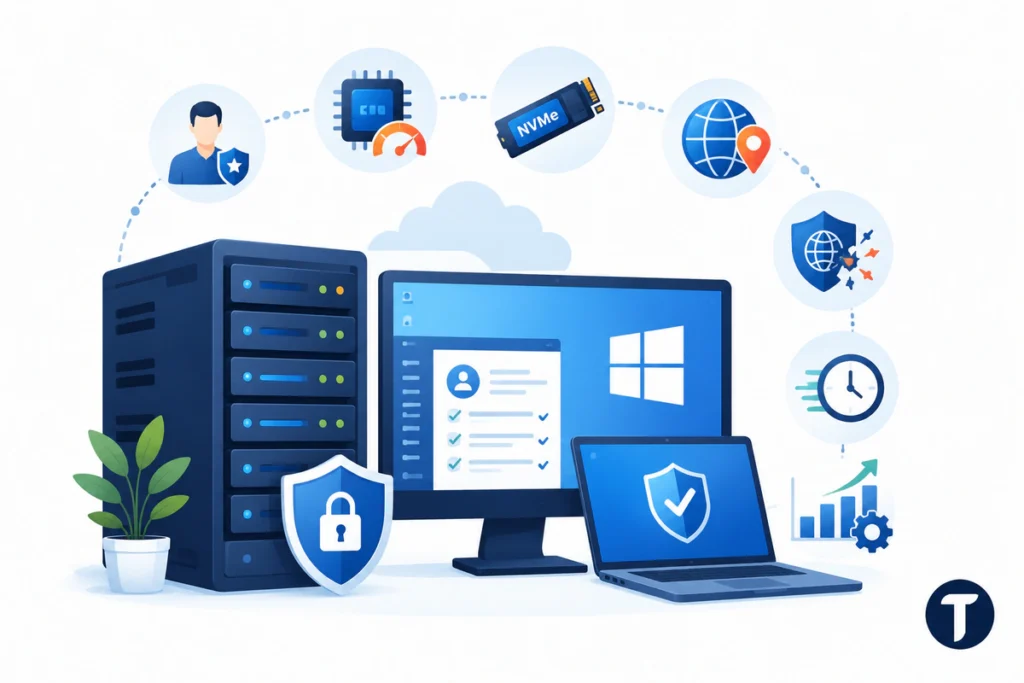
Use this table as a quick checklist before choosing an RDP VPS, hosted Windows machine, virtual private server, or dedicated server. It also helps you compare RDP server requirements without relying only on sales claims.
| Feature | Why It Matters | What to Check |
|---|---|---|
| Full Administrator Access | Install software and configure the system for your workflow. | Confirm whether access is full admin or restricted. |
| AMD Ryzen CPUs | Delivers fast processing for demanding workloads. | Compare CPU generation, cores, and fair usage rules. |
| NVMe Storage | Speeds up boot times, file access, and application performance. | Check storage size, backup rules, and upgrade options. |
| Dedicated IP | Provides consistent remote connectivity and easier access control. | Confirm whether it is included or paid extra. |
| DDoS Protection | Helps reduce disruption from some network attacks. | Ask what protection is included and what support covers. |
| Instant Setup | Gets your Windows desktop ready quickly. | Make sure login details and setup instructions are clear. |
| Smart Resource Scaling | Lets you upgrade resources when your needs grow. | Check whether upgrades cause downtime or migration. |
The right server features protect your time. A clear control panel, dependable availability, Windows RDP security guidance, and sensible hosting plans make server management less stressful.
Full Admin Control Opens More Possibilities
The biggest advantage of premium remote hosting is freedom. Administrator privileges mean you can install tools, change Windows settings, schedule tasks, and manage the desktop like a real workspace.
Administrator privileges matter because limited permissions turn simple tasks into support tickets. If you buy Windows RDP with full admin access, you can shape the server around your workflow instead of waiting for support.
With administrator access, you can:
- Install productivity software
- Configure custom automation scripts
- Run trading applications
- Perform software testing
- Manage business files in a separate desktop server
- Customize Windows settings
- Schedule automated tasks
Common Use Cases for High-Performance RDP Servers
A modern remote server is useful when you need a Windows desktop that stays online and works from anywhere.
Remote Work and File Management
Secure access gives you one place for documents, apps, browser profiles, and business files. You can connect from another device without carrying sensitive files around. For this use case, Windows RDP security should cover login rules, updates, and account separation.
Automation and Continuous Operations
Scripts, bots, scheduled jobs, and background tools need stable uptime. A Windows Server 2022 or similar Windows Server setup can keep those jobs running after your local computer shuts down. These workloads often need stronger RDP server requirements than basic browsing.
Secure Browsing and Trading
A separate RDP service can isolate financial platforms, research tools, and browser sessions from everyday browsing. Security still depends on strong passwords, firewall rules, updates, and careful account handling.
Use RDP only for legitimate account access, business continuity, testing, or isolated workspaces, and always follow the rules of the platforms you access.
Software Testing
Developers and testers can use remote connections to install, configure, and evaluate applications in a controlled Windows environment. It is easier to test without cluttering a daily workstation.
How to Match RDP Server Requirements to Your Workload
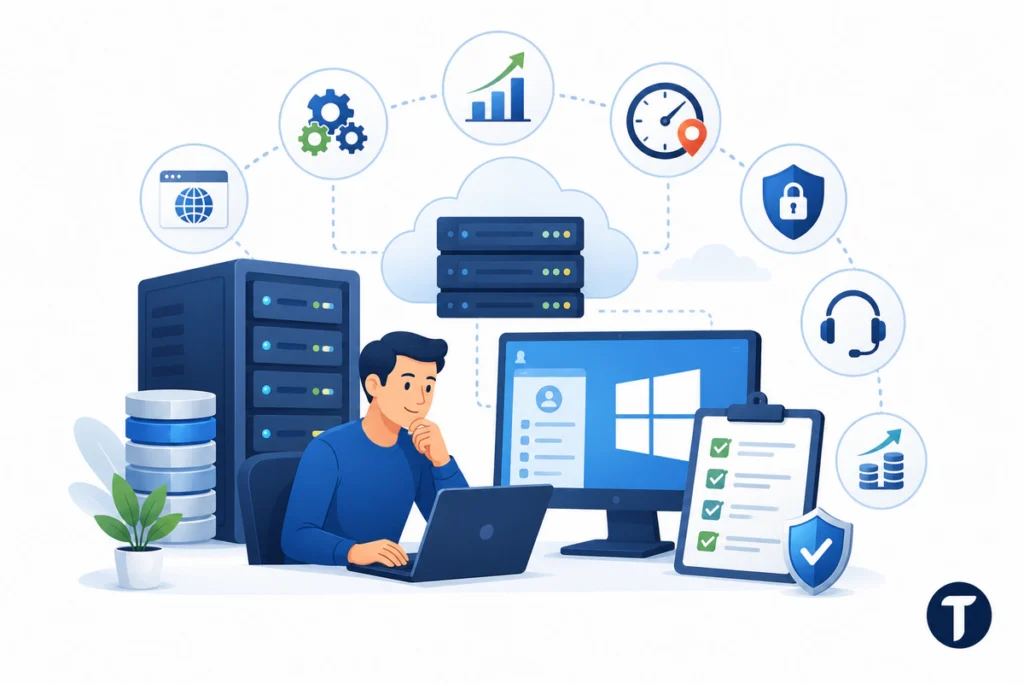
Start with the work, then choose the server. A browser-only setup does not need the same CPU, RAM, bandwidth, or storage as automation, trading tools, or testing. If you buy Windows RDP before checking the workload, you may overpay or end up with a weak setup.
The best plan is the one that matches your task list, not the one with the biggest promise.
| Use Case | Suggested Starting Point |
|---|---|
| Browsing and basic admin work | 2 vCPU, 4 GB RAM, and 40 to 80 GB SSD storage |
| Automation and scheduled scripts | 2 to 4 vCPU, 4 to 8 GB RAM, and stable uptime |
| Trading tools or research platforms | 4 vCPU, 8 GB RAM, and a low-latency location |
| Software testing or development | 4+ vCPU, 8 to 16 GB RAM, snapshots, and backups |
Before choosing a plan:
- List the apps you need to install.
- Estimate how many remote users or sessions you need.
- Check storage needs for files, logs, and downloads.
- Choose a data center near the places you access most.
- Check bandwidth and connection quality if you move large files.
- Confirm firewall control, backups, and support.
- Pick an upgrade path before you need it.
Some providers advertise 1Gbps or 10Gbps USA connectivity, USA RDP locations, AMD EPYC hardware, or premium options. Those can be useful, but only if the rest of the plan fits your needs and your RDP server requirements.
RDP VPS Hosting Plans and Server Management Checklist
Compare RDP VPS hosting plans by the controls you will use after checkout. A useful control panel should let you deploy the machine, reboot it, review bandwidth, resize resources, and contact support without digging through tickets.
Good server management is practical, not flashy. Look for secure Windows builds, low latency from the right data center, clear backup rules, Windows RDP security options, and a simple path to scale resources.
This is where cheap plans often show their limits. The monthly price matters, but the full package matters more when the desktop becomes part of your daily workflow.
Red Flags Before You Buy Windows RDP
A low price is not always a problem, but vague details are. Be careful with providers that do not explain what you actually receive.
Watch for:
- No clear Windows licensing details
- No refund, support, or uptime policy
- Shared credentials or unclear account ownership
- No mention of backups or restore options
- No firewall, MFA, or login protection guidance
- Unrealistically cheap plans with large promises
- Vague claims about admin access
- No acceptable use policy
- No clear RDP server requirements for CPU, RAM, storage, or bandwidth
A provider that hides the basics before checkout may be harder to work with after something breaks.
Choosing the Right Provider
A provider should make the basics clear. You should not have to guess whether you get administrator access, a dedicated IP, NVMe storage, or an acceptable use policy.
Trust providers that explain the setup before you pay. When you buy Windows RDP, clear plan details are part of both performance planning and Windows RDP security.
Use this checklist:
- Modern CPU architecture
- Fast NVMe storage
- Full administrator privileges
- Instant provisioning
- Dedicated IP included
- DDoS protection
- Flexible resource scaling
- Reliable uptime
- Clear Windows licensing and support rules
A provider that handles these items well reduces the chance of migration, downtime, or support friction later.
Related questions
These frequently asked questions come up when people compare RDP solutions, RDP hosting, Windows remote hosting, VPS solutions, and dedicated server options.
What Is the Difference Between RDP and a Windows VPS?
Remote Desktop Protocol is the Microsoft technology used for remote access, remote desktop clients, and remote desktop sessions. A hosted Windows machine is the virtual server you connect to with an RDP client.
In plain terms, the VPS is the machine, and RDP is the way you control the Windows desktop. Many providers sell RDP VPS hosting because it combines both pieces in one package.
Is Windows RDP Safe to Use?
Windows RDP can be safe when it is configured properly. Windows RDP security should include strong passwords, MFA when available, Network Level Authentication, firewall rules, updates, and restricted access. Avoid exposing weak RDP logins to the public internet.
CISA’s guide to securing remote access software is worth reading alongside any provider’s security page, because it starts from how remote access tools are actually abused rather than from a feature list.
Should You Buy Cheap RDP?
You can buy cheap RDP, but check what the low price removes. Cheap plans may cut CPU, RAM, backup options, support, bandwidth, or advanced security.
If you buy Windows RDP online, choose value over the lowest number. A plan with secure login, complete control, and consistent performance is usually safer than a bare login with no guidance.
Who Needs RDP with Admin Access?
RDP with administrator privileges fits users who need to install software, run automation tools, manage a server environment, or maintain remote operations without asking support for every change.
It is useful for businesses, testers, marketers, traders, and technical users who need a fast remote Windows desktop. USA locations and US data centers can also reduce response time for users who work with U.S. platforms.
How Much RAM Do You Need for Windows RDP?
For light browsing and basic admin work, 4 GB RAM may be enough. For automation, trading tools, testing, or heavier multitasking, 8 GB to 16 GB RAM is usually a better starting point. Treat RAM as one of the first RDP server requirements to check.
Admin RDP Best Practices for Full Control
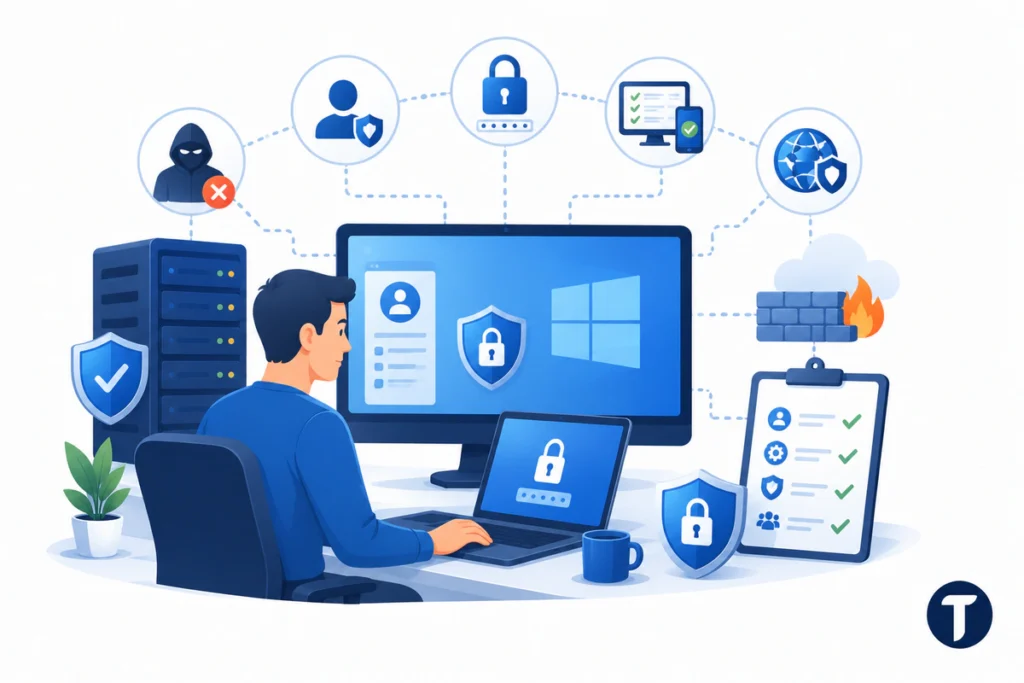
Full control is useful, but it needs clean rules. Treat RDP admin access like any other high-trust login. Create a separate user account for daily work, keep the local administrator account protected, and only use admin mode when a task needs it.
Admin-level access should come with security measures, not shortcuts. Check Windows RDP security, encryption, Network Level Authentication, firewall rules, system settings, security policies, and unauthorized access alerts before you rely on the server.
For business use, ask whether the provider supports Group Policy or GPO settings, local users and groups, administrative templates, Windows components, Remote Desktop Session Host settings, and the remote desktop users group. Those controls affect who can log on through Remote Desktop Services and what they can change.
Use MFA when available, restrict RDP access by IP address, disable unused accounts, monitor failed login attempts, and keep Windows updated. Save the RDP file securely, avoid unsafe networks, and do not run as admin for routine browsing.
Older setups such as Windows Server 2012 still appear in some hosting markets, but supported builds are safer. Windows 10 access, Windows Remote Desktop, and desktops used via RDP all need the same best practices: clear administrative rights, full administrative privileges only where needed, and a level of control that matches the job.
Performance and Flexibility Should Work Together
Choosing this setup is not just renting a screen. It is choosing a workspace that can handle your apps, protect access, and keep working when your local computer is busy or offline.
Speed, control, and security should support each other. If one is missing, the server becomes harder to trust.
Before you choose a plan, return to the basics: buy Windows RDP only after checking Windows RDP security, RDP server requirements, admin rights, NVMe storage, dedicated IP options, bandwidth, availability, support, and scaling. A good setup gives you a fast, secure, flexible desktop for real work.