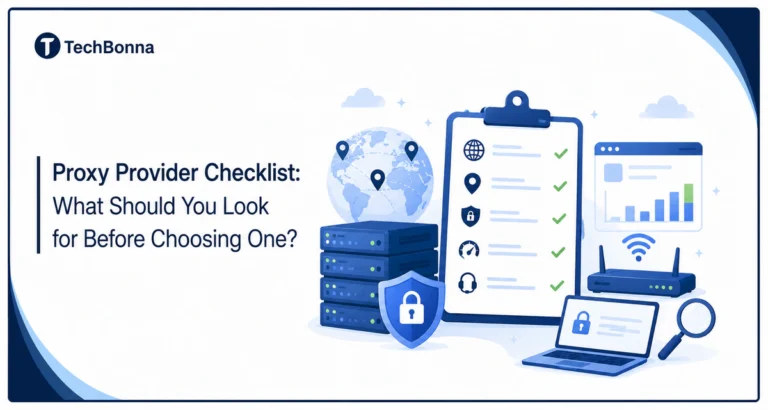
Everything You Need to Know: Navigating the Miami ListCrawler Community Legally and Securely
Table of Contents
Online directory safety, digital privacy protection, and online safety compliance matter whenever people use location-based platforms in Miami. A directory can make local search easier, but it can also expose users to privacy leaks, harmful content, scams, sex-crime-related legal risk, human trafficking concerns, or unclear legal choices.
This guide keeps the focus on safer browsing, online privacy, and practical judgment. The goal is to understand how online directory safety works before any contact, message, payment, or in-person decision is made.
Where things stand
To navigate the Miami ListCrawler community legally and securely, treat it like a sensitive online directory. Understand local law, share less personal information, verify listings before contact, avoid suspicious payment requests, and leave any interaction that feels unsafe, misleading, coercive, exploitative, or illegal.
What Miami ListCrawler Is
Miami ListCrawler is a location-based online directory for Miami listings. It helps users find local information without sorting through unrelated regions, including Miami-Dade, Miami Beach, and nearby South Florida searches.
Convenience does not remove responsibility. Before contacting anyone, users should think about privacy law, platform rules, disclosure risk, consent, and whether the listing provides enough clear information to trust.
A Miami ListCrawler listing may look simple, but users should still ask basic safety questions. Who created the listing? Are the details consistent? Is there pressure to act quickly? Does anything suggest unlawful conduct, exploitation, coercion, or fraud?
Why Sensitive Directories Need Stronger Privacy and Security Checks
Some online platforms carry more risk than ordinary business listings because they may involve adult content, messaging, identity clues, payments, or in-person meetings. Someone researching Miami adult classifieds should treat that search as sensitive online activity, not casual browsing.
That means using stronger safeguards: separate contact details, secure browser settings, careful login habits, and a clear limit on what type of information is shared. If you would not want certain information copied, forwarded, or exposed in a security incident, do not disclose it early.
Miami ListCrawler and similar sensitive directories can create traces across devices, browsers, apps, screenshots, cloud backups, email notifications, and payment records. Even small details can combine into a larger identity profile. A phone number, profile image, workplace reference, neighborhood clue, or reused username can be enough to connect online activity to a real person. Keeping your privacy safe means treating these small clues as sensitive before they become part of a larger disclosure risk.
What Local Law Risk Should Users Understand?
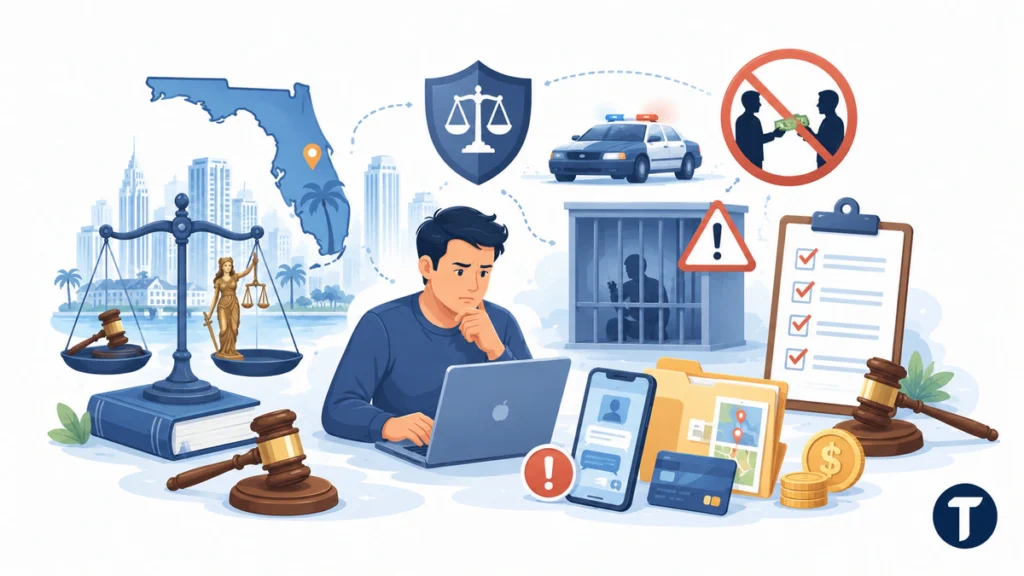
Browsing a public site is usually different from arranging illegal conduct. The risk starts when messages, payments, travel, or an agreement cross into activity prohibited by local law.
Florida law treats prostitution, solicitation, and related conduct seriously. The Florida Statutes section 796.07 lists offenses involving prostitution and related acts, including soliciting prostitution, engaging in prostitution, attempting to commit prostitution, or procuring another person for the purpose of prostitution.
Depending on the facts, a violation may lead to a misdemeanor or felony charge, fines, penalties, jail time, or other criminal consequences. A first offense, second violation, or subsequent violation may be treated differently, and terms such as first-degree misdemeanor, second degree, or third degree depend on the exact Florida Statutes language.
This article is not criminal defense advice and does not replace a defense lawyer, criminal defense attorney, or law firm. It is a safety guide for Miami residents and visitors who need to understand that online messages can create real-world legal exposure in the city of Miami, Miami-Dade County, Fort Lauderdale, Miami Beach, or elsewhere in the state of Florida.
Do not rely on forum comments about 60 days, 18 years, traffic stops, administrative outcomes, or fine amounts. The safe route is to avoid illegal conduct entirely and get qualified advice if a real legal issue exists. Users should also remember that directory screenshots, payment records, call logs, travel details, location data, and message history can all create context if a situation becomes a legal matter.
How Users Can Protect Personal Information
Keeping your privacy safe starts with sharing less. Do not provide a home address, government ID, workplace, bank details, passwords, private files, login details, or sensitive information before there is a clear and lawful reason.
The FTC also gives useful online privacy guidance on protecting accounts, limiting tracking, and controlling information you provide online. Use unique passwords, avoid public Wi-Fi for sensitive browsing, keep devices updated, and delete old screenshots or conversations that create unnecessary risk.
Keeping your privacy safe on Miami ListCrawler also requires basic account hygiene. Do not reuse the same password across directories, email accounts, messaging apps, and payment platforms. Turn on multi-factor authentication where available. Avoid saving sensitive passwords in browsers that other people can access. Photos, screenshots, and documents may also contain metadata or visible details that identify a person.
Miami-Dade Legal Safety Checklist for Listings
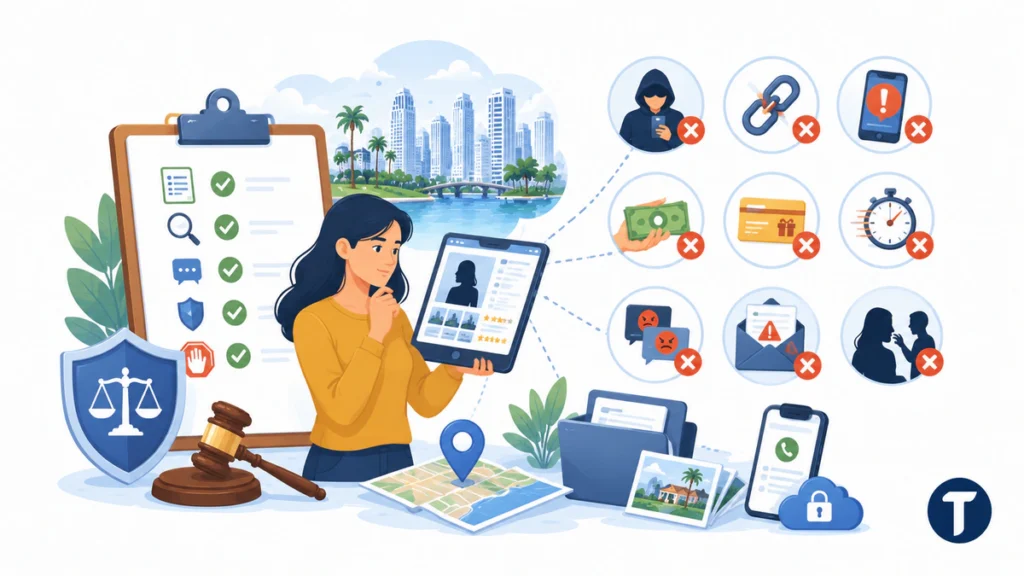
Good listings usually have clear wording, consistent details, normal communication patterns, and realistic expectations. Be careful with vague descriptions, stolen-looking images, urgent payment requests, shortened links, or pressure to move away from the platform immediately.
For Miami ListCrawler users, the safest habit is to slow down before any direct contact. Use this quick checklist before contacting anyone:
- Read the full listing, not only the image or headline.
- Check whether details contradict each other.
- Watch for fraud, threats, or sudden changes in the agreement.
- Do not open unknown files or suspicious links.
- Stop if a listing suggests illegal sexual activity for hire, giving or receiving value for unlawful conduct, coercion, or exploitation.
Verification is not paranoia. It is the difference between informed browsing and reacting to weak signals.
A strong safety checklist should also include emotional pressure. Scammers and unsafe actors often push people to make quick decisions. They may create urgency, ask for deposits, request gift cards, demand payment through unusual channels, or claim that normal verification is not possible.
Payment and Scam Warning Signs
Payment behavior is one of the clearest ways to spot risk on a sensitive directory. Be careful with requests for gift cards, crypto-only payments, wire transfers, deposits before basic verification, unfamiliar payment pages, or links that claim to confirm identity before a conversation can continue.
Sudden fee changes, urgent “pay now” language, and refusal to answer basic questions should also raise concern. A legitimate interaction should not require a user to share banking details, account passwords, security codes, or copies of private documents through a random message thread. Users should also avoid clicking shortened links or downloading files sent through private messages because they may lead to phishing pages, malware, fake payment portals, or forms designed to collect personal information. This kind of caution makes your browsing safer because it reduces both scam exposure and privacy loss.
Red Flags That Should End the Interaction
Some warning signs are serious enough that users should stop immediately, especially threats, blackmail, stolen identity, forced activity, coercion, trafficking indicators, or signs that someone is being controlled by another person. Users should also leave any conversation that involves illegal sexual activity, unclear consent, or pressure to ignore local law.
Other Miami ListCrawler red flags include requests for personal documents, suspicious verification forms, aggressive language, inconsistent identities, or attempts to move communication to unsafe channels before basic trust is established. If a user sees content that appears exploitative, abusive, or connected to human trafficking, the better response is not to engage.
How Platforms Should Reduce Harm
Safer digital platforms should not rely on users alone. They need clear community standards, reporting flows, moderation, age-appropriate safeguards, account review, and quick escalation for exploitation, impersonation, or human trafficking indicators.
Good online safety compliance also means limiting unnecessary data collection, explaining terms of service, and making it easy to flag harmful content. This is the same trust and safety mindset used by marketplaces, social platforms, and other services with user-generated content.
Platforms that host sensitive or location-based listings should also think carefully about privacy by design. They should avoid collecting more data than necessary, protect user reports, reduce spam, remove clearly harmful content, and identify patterns such as repeated scam language, suspicious payment instructions, duplicate images, or coercive wording. Stronger platform rules can make Miami ListCrawler-style directories safer for users who are trying to browse without exposing unnecessary personal information.
Common Mistakes That Increase Risk
Most directory problems begin with small mistakes: oversharing, using the same email everywhere, ignoring warning signs, or trusting photos more than facts. These habits can create cyber security, privacy, fraud, and local law risks.
One habit that makes your browsing safer is simple: slow down, protect your browser, verify details, avoid unnecessary disclosure, and stop when someone applies pressure. Safe browsing is a repeatable process, not one big action.
For Miami ListCrawler users, another common mistake is assuming that a live listing has already been fully checked. A listing being visible does not mean it is accurate, safe, lawful, or free from scam signals. Slowing down makes your browsing safer because it gives you time to review wording, links, payment requests, and privacy risks before responding.
What To Do If Something Feels Unsafe
If something feels unsafe, misleading, coercive, exploitative, or illegal, end the interaction. Do not keep negotiating, do not send more personal information, and do not try to “test” whether the person is legitimate. Continuing a risky conversation can create more privacy exposure than the user realizes.
Use the platform’s reporting tools when available. If there is an immediate danger, suspected exploitation, or concern involving minors or trafficking, contact the appropriate authorities or emergency services. Users should preserve only the information necessary to report the issue and avoid spreading screenshots, images, or private details publicly. Keeping your privacy safe also means not turning a private concern into a public post that exposes more people or more personal data.
What to watch next
Miami ListCrawler and similar platforms are easier to approach when viewed through online directory safety, digital privacy protection, and online safety compliance. The safest users understand local laws, protect personal information, check listings carefully, and avoid anything unsafe, misleading, exploitative, or rushed.
A location-based directory may offer convenience, but convenience should never replace judgment. Users should protect their devices, limit what they share, recognize scam signals, understand Florida legal risk, and leave any interaction that appears coercive, exploitative, unlawful, or unsafe. Keeping your privacy safe, verifying listings, and using an approach that makes your browsing safer can help Miami ListCrawler users reduce avoidable risk before an online search becomes a real-world problem.