Can You Trust New Online Casinos With Your Data?
Table of Contents
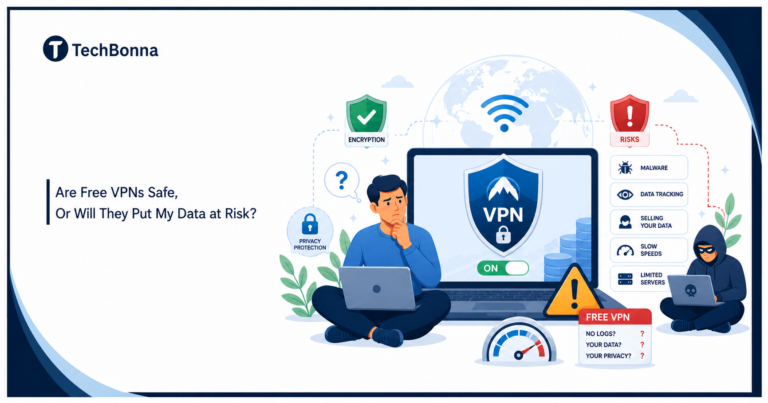
New online casinos can look modern, fast, and convenient, but appearance is not the same as trust. If you are assessing new online casinos, online casino safety, and casino data security, you need evidence about licensing, encryption, payments, identity checks, and privacy before sharing personal information.
A recently launched casino is not automatically unsafe. The risk is that newer platforms may have a shorter operating history, fewer public complaints, and less evidence that their controls work when real customers deposit, verify accounts, request withdrawals, or contact support.
The short explanation
New online casinos can be trusted with your data only when they show verifiable evidence of proper licensing, HTTPS encryption, clear privacy policies, secure payment handling, lawful identity checks, responsible gambling tools, and transparent complaint procedures. Do not treat a new launch, a polished website, or a bonus offer as proof of safety. Check the operator, the license, the payment process, and the data-handling policy before creating an account.
Why New Does Not Automatically Mean Unsafe
New online casinos can be built by experienced operators, licensed in recognized jurisdictions, and supported by modern security systems. New online casinos can also be rushed, poorly governed, or designed to collect sensitive data with weak accountability. The launch date alone does not answer the trust question.
The safer approach is to separate age from evidence. New online casinos need the same checks as established platforms, but you should expect clearer proof because there is less public history to rely on.
Research can start with public listings, operator pages, regulator registers, and independent comparison resources. Readers comparing recently launched casino platforms may review newly launched casinos tracked by BetBrain as one external resource for information about new casino sites, but that kind of tracking does not replace your own checks on licensing, security, payments, and local legal requirements.
Check the License Before Sharing Personal Data
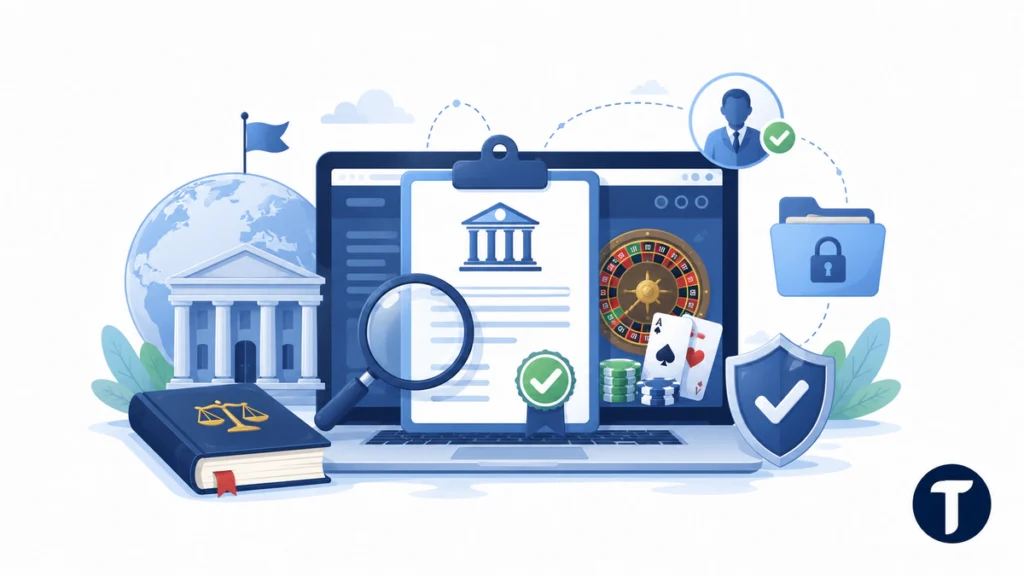
Licensing is one of the first trust signals to review in new online casinos because it tells you which authority supervises the operator, what rules may apply, and where complaints may be escalated. A genuine license should identify the operator, license number, jurisdiction, and regulator.
Do not rely only on a logo in the footer. Open the regulator website where possible and search for the operator name or license number. If the casino name, company name, or domain does not match the register, treat that as a warning sign.
The UK Gambling Commission customer identity verification rules show how regulated gambling businesses may be required to verify identity before allowing gambling activity. Other jurisdictions set different rules, so casino availability, licensing duties, and gambling laws vary by location.
A license is not a guarantee that every experience will be safe. It is still a stronger sign than an anonymous site with no company details, no registered address, and no clear way to raise complaints.
Review HTTPS, Encryption, and Website Security Basics
Any site that asks for your name, address, date of birth, payment details, or identity documents should use HTTPS. The padlock in your browser does not prove that new online casinos are honest, but missing HTTPS on account, login, cashier, or document-upload pages is a serious problem.
Modern website encryption helps protect data in transit between your device and the server. It cannot prove that the company stores the data safely, limits employee access, deletes old files, or follows strong incident-response procedures.
Use HTTPS as a minimum requirement, not a final trust verdict. If a casino has broken certificates, mixed-content warnings, suspicious redirects, or copycat domains, stop before entering personal data.
Read the Privacy Policy Like a Security Document
A privacy policy should explain what information new online casinos collect, why they collect it, how long they keep it, who they share data with, and how users can exercise privacy rights. For online casino safety, the policy should make sense alongside KYC, AML, payment processing, customer support, fraud prevention, and responsible gambling controls.
The FTC data security guidance highlights practical principles such as collecting only what is needed, protecting stored data, controlling access, and disposing of information securely. Those principles are useful when judging casino data security, even if the exact legal duties vary by jurisdiction.
Be cautious if the policy is vague, copied from another site, missing a company name, or silent about processors, retention, and security. You do not need every technical detail, but you should see enough to understand how your information is handled.
Casino Cybersecurity Best Practices to Look For
A strong casino security posture should protect customer data, financial data, login credentials, and payment activity against common cyber threats. For new online casinos, that means looking beyond design and asking whether the operator explains authentication, account recovery, vulnerability management, and regular security audit practices.
Account, Payment, and Data Protection
Common risks include data breach exposure, identity theft, social engineering, credential theft, unauthorized access, distributed denial of service attacks, and malicious account takeover. A modern casino should use security measures such as access control systems, encrypted upload paths, fraud monitoring, secure payment processors, PCI DSS-aligned payment handling, and staff training for emerging threats.
Casino cybersecurity is also part of the wider gaming industry risk picture. Online gaming platforms handle personal data, financial transactions, identity documents, and anti-money-laundering checks, so robust cybersecurity and a clear security framework are practical trust signals, not technical extras.
Useful signs in new online casinos include a security team, robust security protocols, clear safeguards, and a process to respond to potential threats before they escalate. A hacker may try to gain access through a weak login, social engineering, or a cyber attack, so authentication and credential controls matter.
Operational and Physical Security Controls
Casino operators also need controls for physical security, casino operations, the gaming floor, and the casino environment, even when the reader only sees an online casino. Casinos and gaming businesses can connect online systems, payment tools, identity files, slot machines, casino surveillance, and Internet of Things devices, which expands the attack surface.
The broader casino industry and online gambling market may reference groups such as the American Gaming Association, but readers should still focus on the specific operator, regulator, license, and security evidence in front of them.
Security Standards, Monitoring, and Reviews
Look for strong cybersecurity language that covers money laundering controls, cybersecurity threats, cybersecurity staff, cybersecurity challenges, security threats, evolving cyber threats, potential security risks, and AI-driven monitoring. References to PCI DSS, the Payment Card Industry Data Security Standard, and payment card industry data security can add an extra layer of security when financial records are involved.
Do not expect new online casinos to publish every security system or casino floor control. Still, a casino’s cybersecurity posture should make it clear how the platform protects data protection rights, handles regular security reviews, and separates physical and online risks.
Compare the Main Trust Signals
| Trust Factor | What to Check | Why It Matters |
|---|---|---|
| License | Regulator register, company name, license number, permitted market | Shows who supervises the operator and where rules may apply. |
| HTTPS and encryption | Valid HTTPS on login, account, cashier, and upload pages | Protects data in transit, but does not prove honest storage practices. |
| Privacy policy | Collection, sharing, retention, user rights, processor details | Explains how personal data and identity documents may be handled. |
| Payments | Secure checkout, withdrawal rules, ownership checks, chargeback policy | Reduces payment misuse, account takeover, and withdrawal disputes. |
| Responsible gambling | Deposit limits, timeouts, self-exclusion, age checks, support links | Helps protect users and signals a more mature compliance process. |
Payment Security and Withdrawal Procedures Matter
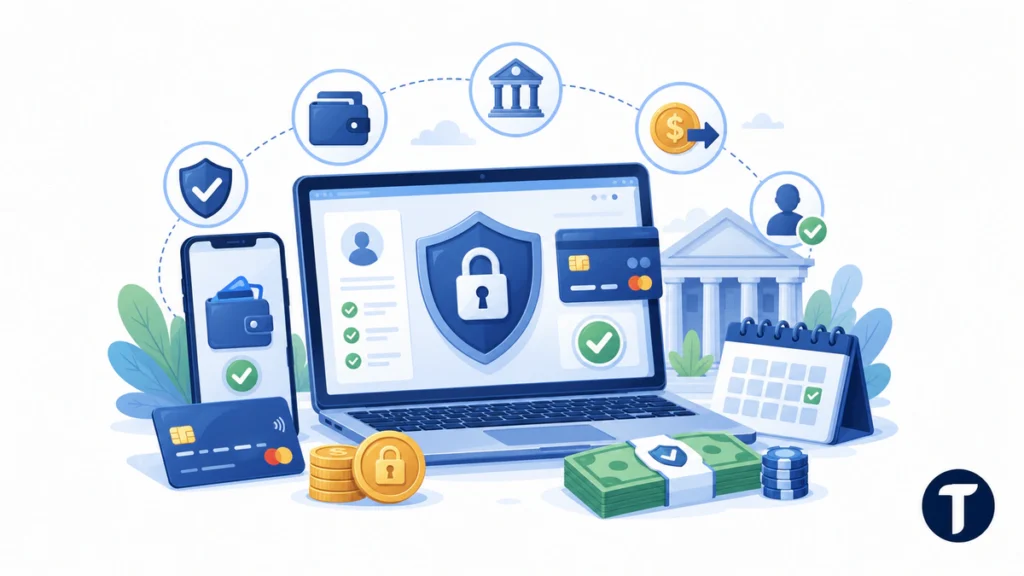
Payment security in new online casinos is not only about whether a deposit works. You should understand how deposits, withdrawals, refunds, chargebacks, saved payment methods, and payment ownership checks are handled.
The PCI Security Standards Council publishes standards for protecting payment-account data. A casino does not need to explain every internal control publicly, but it should use reputable payment processors, secure checkout flows, and clear rules around payment verification.
TechBonna has also covered how casino payment verification helps prevent fraud by connecting identity checks, payment ownership review, and transaction monitoring. That context is useful when a new casino asks you to verify a card, wallet, bank account, or withdrawal method.
Before depositing, read the withdrawal terms. Look for processing timeframes, verification steps, minimum withdrawal amounts, fee disclosures, pending-withdrawal rules, and reasons withdrawals may be delayed. Avoid platforms that make deposits easy but hide withdrawal conditions.
Understand KYC, AML, and Identity Verification
Know Your Customer checks are normal in regulated gambling, including new online casinos. A casino may ask for proof of age, identity, address, payment ownership, or source of funds. Anti-money-laundering controls may also trigger reviews when activity looks unusual, high value, or inconsistent with account history.
The NIST Digital Identity Guidelines are not gambling rules, but they explain useful concepts around identity proofing, authentication, and risk. The same broad idea applies here: stronger checks should match higher risk, and users should know what they are being asked to provide.
Do not try to bypass identity checks, age restrictions, geographic restrictions, payment controls, or local gambling laws. Also do not send unnecessary sensitive data through email, chat apps, or unencrypted upload routes. If a support agent asks for full card security codes, one-time passcodes, banking passwords, or more documents than the policy explains, treat it as suspicious.
Look for Independent Game Testing and Responsible Gambling Tools
Data security is only part of the trust picture for new online casinos. Online casino safety also depends on whether games are independently tested, whether the random number generator is certified, and whether responsible gambling controls are easy to find.
Trustworthy sites often name recognized testing labs, explain game fairness, and provide links to responsible gambling tools. Useful controls include deposit limits, loss limits, session reminders, cooling-off periods, self-exclusion, reality checks, and access to support resources.
Responsible gambling tools should not be hidden behind customer support. If limits are hard to set, difficult to reduce, or easy to reverse instantly, the platform may be prioritizing frictionless play over user protection.
Only use gambling services if you meet the legal gambling age where you are located. If gambling stops being entertainment or begins affecting money, work, health, or relationships, use support tools and seek help before continuing.
Assess Mobile Platform and Account Security
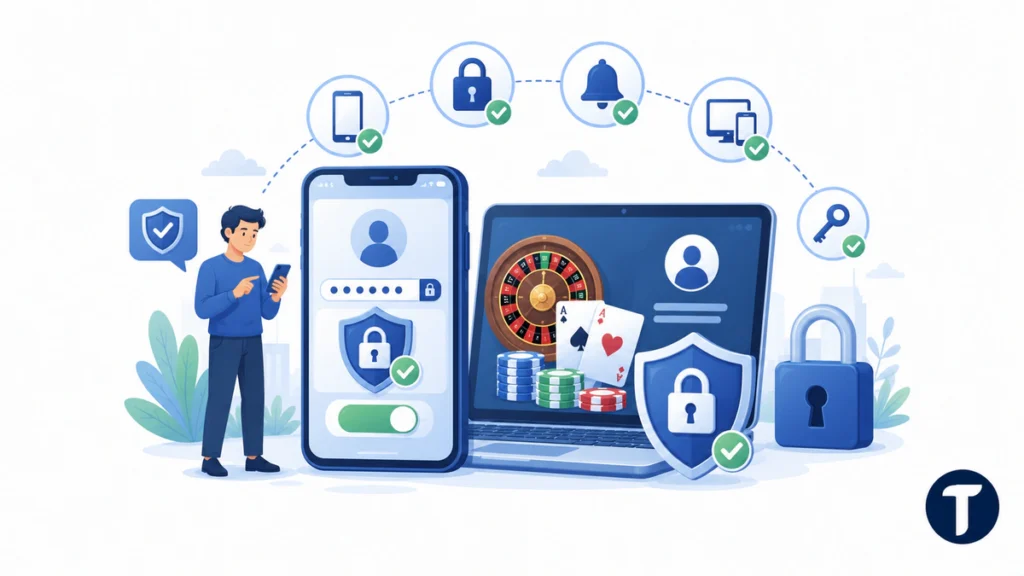
Many new online casinos focus on mobile-first design. That can be convenient, but it also means account security in new online casinos depends on how well the mobile site or app handles login sessions, device changes, notifications, payment screens, and document uploads.
Look for strong password rules, two-factor authentication where available, secure session handling, logout controls, suspicious-login alerts, and clear recovery procedures. A casino should not make account recovery so easy that an attacker could take over the account with basic personal information.
If there is an app, check whether it comes from an official app store or a clearly verified operator source. Avoid sideloaded files, copycat app names, or download links sent through unsolicited messages.
Test Customer Support and Complaint Procedures
Support quality becomes important when verification is delayed, a withdrawal is reviewed, an account is locked, or a privacy question needs a real answer. New online casinos with strong operations should explain support hours, contact methods, complaint routes, and escalation options.
Before depositing meaningful money with new online casinos, ask a simple support question about licensing, privacy, withdrawal verification, or responsible gambling tools. The answer should be specific and consistent with the site policy. Generic replies, pressure to deposit, or refusal to answer basic compliance questions are poor signs.
Complaint procedures should tell you how to raise an issue, what information to include, how long a response may take, and whether an alternative dispute body or regulator may be available. The exact route depends on jurisdiction.
Warning Signs of Suspicious Casino Platforms
Suspicious platforms often rely on urgency, vague claims, and incomplete information. Be cautious when new online casinos promote guaranteed withdrawals, risk-free gambling, guaranteed payouts, unrealistic bonuses, or claims that no identity checks are ever needed.
Other warning signs include missing company details, copied terms, no privacy contact, broken policy pages, no responsible gambling links, unclear license references, hidden withdrawal rules, and support staff asking for sensitive information through insecure channels.
If the casino cannot explain who operates it, who regulates it, and how it protects your data, do not treat it as trustworthy. Trust should be based on verifiable evidence, not design quality or launch excitement.
Related questions
Are New Online Casinos Safe to Use?
Some new online casinos may be safe, but you should not assume safety from a new brand, modern design, or bonus offer. Check licensing, HTTPS, privacy policies, payment security, identity checks, responsible gambling tools, support, and complaints information first.
What Personal Data Do Online Casinos Usually Collect?
Online casinos may collect name, date of birth, address, email, phone number, payment details, device information, identity documents, proof of address, and transaction history. The exact data depends on the operator, jurisdiction, risk checks, and payment method.
Is KYC Verification a Bad Sign?
No. KYC verification can be a normal legal and fraud-prevention requirement. The concern is not the existence of identity checks, but whether the casino explains the process, uses secure upload routes, limits data collection, and handles documents responsibly.
Does HTTPS Mean a Casino Is Trustworthy?
No. HTTPS helps protect data in transit, but it does not prove that the casino is licensed, fair, honest, or careful with stored data. Treat HTTPS as a minimum security requirement, not a full trust signal.
Can a Casino Be Legal in Every Country?
No universal answer applies. Casino availability, licensing requirements, age rules, tax rules, and gambling laws vary by jurisdiction. Check the rules that apply where you live before creating an account or making a deposit.
What this means in practice
New online casinos deserve careful review because the risk is not only losing money. Your identity documents, payment data, device information, and account history can all become sensitive records if the platform handles them poorly.
A recently launched casino is not automatically unsafe, but it must earn trust with verifiable evidence. Use online casino safety checks, confirm casino data security practices, and treat new online casinos as platforms to assess carefully, not as shortcuts around licensing, identity checks, payment controls, age restrictions, or local gambling laws.