Real-Time Payments: 7 Powerful Ways Digital Platforms Are Winning Customer Trust
Table of Contents
Introduction
Real-time payments are changing customer expectations across digital platforms because people now expect money to move as fast as the apps they use. A delay that once felt normal can now feel like a broken promise.
Customers notice speed at every touchpoint. They compare banking apps, marketplaces, subscription tools, creator platforms, delivery apps, and retail checkouts by how fast each one confirms, clears, pays out, and solves money-related problems.
Quick Answer
Real-time payments let businesses send, receive, clear, and settle money within seconds, usually 24/7. For digital platforms, that speed changes what customers expect from checkout, refunds, withdrawals, subscriptions, marketplace payouts, and account-to-account transfers.
Customers now expect payment experiences to be instant, transparent, secure, and available outside normal banking hours. Platforms that meet those expectations can build trust, reduce support friction, and make users feel more in control.
Why Real-Time Payments Raise the Standard for Digital Platforms
The biggest change is not only payment speed. It is the new standard customers use to judge the whole platform.
Real-time payment systems move money through modern payment rails instead of relying only on slower batch processing. The result is an immediate payment experience where funds can reach bank accounts within seconds.
That changes the emotional side of a transaction. A user who sees money arrive straight away feels reassured. A user who waits two days opens a support ticket, checks their email, and wonders whether something went wrong.
This matters because digital platforms sell confidence as much as access. A marketplace has to prove that sellers will get paid. A subscription platform has to make upgrades feel seamless. A fintech app has to make every transfer feel safe.
I see this shift most clearly when people talk about withdrawals and refunds. They rarely ask how the clearing process works. They ask one thing: “When will I get my money?”
That expectation now appears far beyond banking apps. In marketplaces, creator tools, gig platforms, and financial entertainment comparison pages, users often compare platforms by payout timing before they commit. A guide to an instant withdrawal casino is one example of how payment speed has become part of platform evaluation rather than a hidden operational detail.
This same question now shapes product design, payment service choices, support policies, and user retention.
1. Instant Settlement Makes Trust Feel Visible
Trust used to be built through brand names, reviews, and long terms pages. Those signals still matter, but real-time payments add something more direct: visible proof.
When a transaction clears fast, the platform does not need to keep asking the user to wait. The payment network does part of the trust work by confirming movement in real time.
According to J.P. Morgan’s real-time payments insights, real-time payments can improve liquidity, lower costs, enhance customer experience, and support better transaction visibility. That is a useful way to frame the shift. Speed is not a decoration. It changes how platforms manage risk and reassure users.
A fast settlement flow gives customers confidence because it removes the silence between action and outcome. They tap, pay, withdraw, transfer, or request a refund, then see progress fast.
This visible progress can reduce anxiety in high-trust moments such as:
- seller payouts after a marketplace order
- refunds after a cancelled booking
- creator payments after a campaign
- insurance or benefit payments after approval
- account-to-account transfer confirmation
A platform that shows instant settlement feels more reliable because customers can see the result instead of waiting for an explanation.
2. Faster Payouts Change What Users Consider Fair
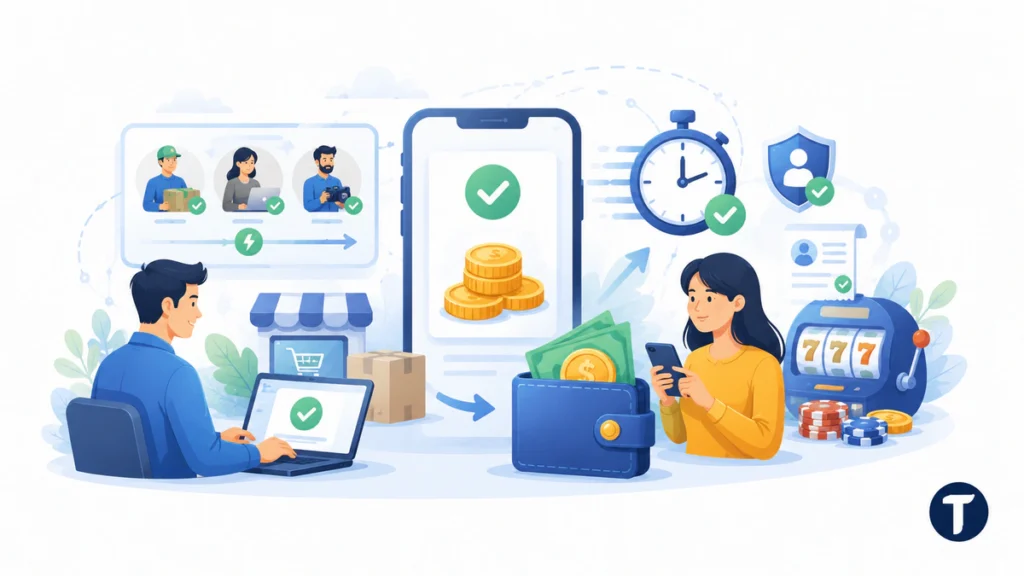
Customer expectations rise fast once people experience a faster payment option. A two-day delay can feel acceptable until a competitor pays out in minutes.
This is why payout speed has become a product feature. It affects gig work, online marketplaces, affiliate platforms, investment apps, creator platforms, and gaming-adjacent digital services.
The same expectation appears in sectors where payout timing is part of the user decision. People increasingly check processing times, verification rules, payment method limits, and withdrawal conditions before choosing a platform.
That example sits inside a wider pattern. Users want to know whether a platform treats access to funds as urgent or secondary.
Fast withdrawals can also reduce support pressure. If users can track a transfer and see funds move within seconds, they do not need to ask whether the platform received the request.
Platforms still need responsible checks. Identity verification, fraud screening, anti-money laundering controls, and account security cannot be skipped. The better product challenge is to run those checks without making every honest user feel delayed.
Faster payouts reset fairness. Customers start to judge delays as a policy choice, not a technical limit.
3. Better Payment Visibility Reduces Support Friction
Payment delays create expensive uncertainty. Customers contact support when they cannot see what happened, not only when money is missing.
Real-time payment methods can reduce that uncertainty by giving platforms cleaner status updates. The payment system can confirm whether a transaction was sent, received, rejected, or settled.
That clarity matters for support teams. A vague “processing” label creates more work than a clear timestamp, status, and next step.
Strong digital platforms now explain payment progress in plain language:
- Request received
- Security check complete
- Payment sent
- Clearing complete
- Funds available
Each step lowers the chance of confusion. It also gives support agents better information if something does go wrong.
This does not mean every payment journey should show technical details. Most users do not need to know the difference between the RTP Network, FedNow, Faster Payments, or other payment rails. They need a clear answer to what happened and what happens next.
A transparent payment flow can turn a tense support moment into a calm product experience.
4. 24/7 Availability Makes Banking Hours Feel Outdated
Digital platforms do not close at 5 pm. Customers can shop, subscribe, sell, stream, book, and trade at night or at weekends. Payment expectations now follow that same rhythm.
Traditional payment methods can feel out of step with always-on platforms because settlement may depend on banking windows. Real-time payments work differently. The promise is availability outside normal hours, with clearing and settlement built for continuous service.
The European Central Bank describes instant payments as retail payments cleared or settled within seconds, available 24/7/365, with immediate availability of funds to the payee. That definition explains why the experience feels different to users.
A customer who receives money on a Sunday does not think about payment infrastructure. They think the platform works when they need it.
This expectation affects many use cases for real-time payments:
- emergency transfers between family members
- last-minute bill payments
- weekend refunds for travel or events
- supplier payments for small businesses
- creator and freelancer payouts
- delivery driver and gig worker earnings
Platforms that still rely on slow cut-off times need to explain them with care. The explanation should be honest, but the long-term fix is usually better payment capabilities.
Always-on money movement makes always-on platforms feel complete.
5. Cash Flow Becomes Part of the Customer Experience
Real-time payments are not only useful for consumers. They can improve cash flow for businesses, sellers, creators, and suppliers who depend on digital platforms.
A small merchant waiting several days for marketplace funds may struggle to buy stock, pay staff, or cover shipping. A creator waiting for campaign earnings may delay work. A supplier waiting for invoice payment may chase finance teams.
Instant settlement changes that rhythm. It moves cash flow from a back-office issue into the customer experience.
For platforms, this can become a loyalty lever. Sellers stay where payouts are predictable. Creators prefer tools that do not trap earnings. Small businesses value payment services that make working capital easier to manage.
Real-time payment adoption also creates operational benefits. Faster settlement can make reconciliation easier because the payment and the confirmation sit closer together. Richer data can help finance teams match transactions, spot errors, and manage disputes.
A payments platform that treats cash flow as a user need can stand out from competitors that only focus on checkout conversion.
People remember the platform that pays them when they need the money, not only when it is convenient for the platform.
6. Security Expectations Rise Alongside Speed
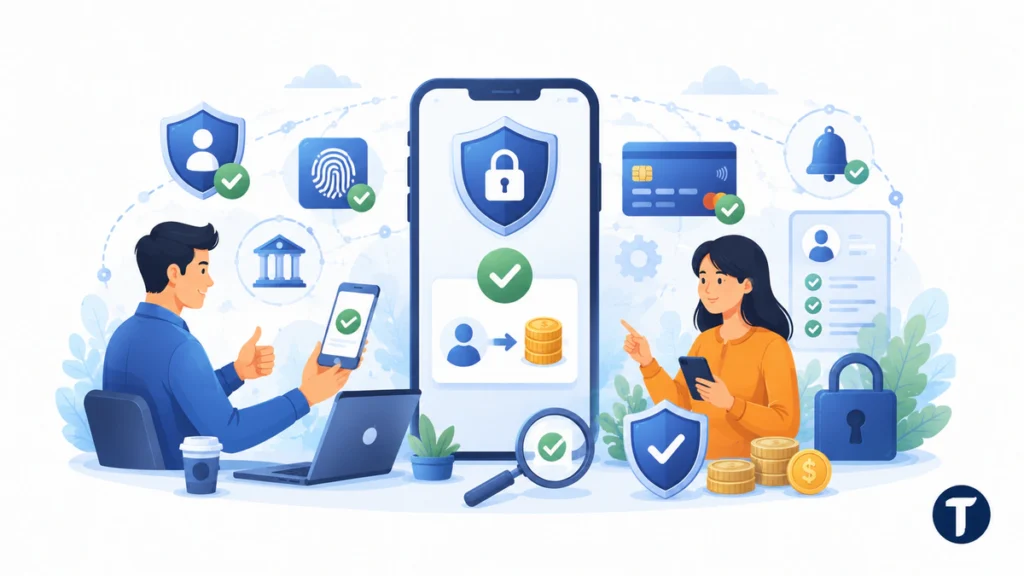
Speed creates trust only when it feels safe. Customers want fast payments, but they do not want platforms to move money so quickly that mistakes or fraud become harder to stop.
This is where product design matters. Real-time payment systems should be paired with strong identity checks, clear confirmation screens, fraud monitoring, and recovery processes.
Platforms need to answer three user questions before money moves:
- Am I paying the right person or business?
- Can I see the amount, fee, and timing before I confirm?
- What can I do if something looks wrong?
A credit union, bank, fintech, or marketplace may use different security layers, but the customer expectation is the same. The payment process should feel fast and controlled.
Request for payment flows can also improve trust because the payer can approve a clear request instead of manually entering account details. Digital wallet design can add another layer of recognition if names, logos, and amounts are shown clearly.
Fast does not mean careless. The strongest payment solutions make speed feel safe by slowing the user only at the moments where attention matters.
Customers want instant payments with guardrails, not instant risk.
7. Cross-Border Real-Time Payments Set the Next Expectation
Many platforms now serve users, suppliers, and partners across markets. That makes cross-border payments one of the next big expectation gaps.
Domestic real-time transactions have taught customers what good feels like. Cross-border transfers still feel uneven because fees, settlement windows, compliance checks, and correspondent banking paths can add friction.
The direction is clear. Global payments are moving toward faster, richer, more transparent flows. Users will expect international transfers to look more like domestic ones: clear fees, clear timing, and fast confirmation.
This will matter for:
- marketplaces with international sellers
- remote hiring platforms
- creator tools with global audiences
- travel platforms handling refunds and deposits
- software companies paying contractors
- fintech apps serving migrant workers
Cross-border real-time payments will not remove every compliance check. They should make the process easier to understand. A platform can still win trust by showing fees upfront, confirming transfer status, and explaining any extra checks before the customer feels stuck.
The next customer expectation is not only faster local payments. It is a more predictable global payment experience.
What Digital Platforms Should Improve Before Adding Faster Payments
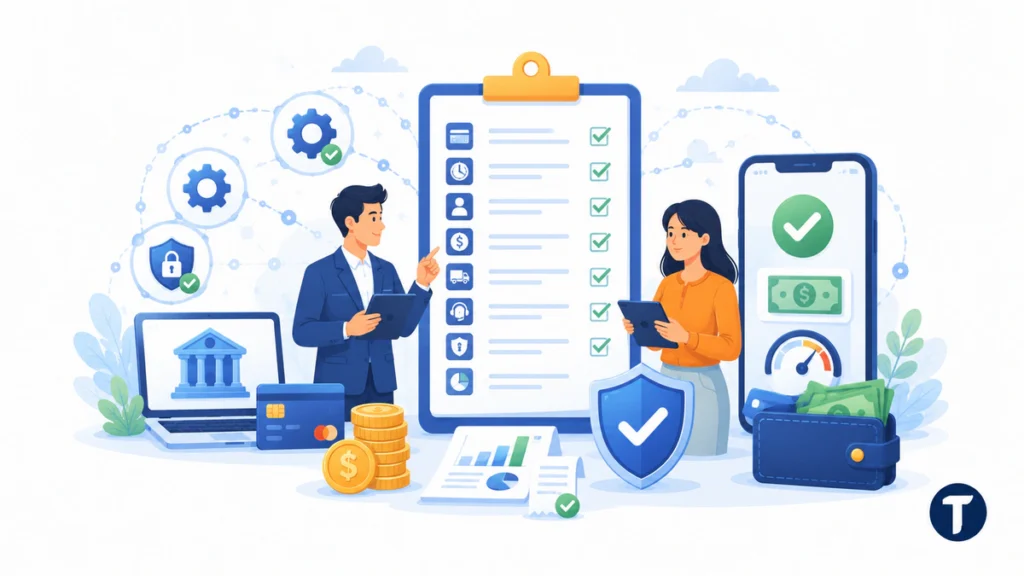
Real-time payments work best when the surrounding product is ready. Adding a faster payment method to a confusing journey will not fix trust by itself.
Before adding new payment capabilities, platforms should review the full money movement experience.
A practical checklist includes:
- Payment method options: Give users choices that match their needs.
- Timing language: Say when funds should arrive in plain words.
- Verification rules: Explain checks before users request withdrawals.
- Fees and limits: Show minimum and maximum limits before confirmation.
- Status tracking: Replace vague processing labels with clear steps.
- Support paths: Give users a direct route when a transfer fails.
- Security prompts: Add warnings only where they help users avoid mistakes.
- Reconciliation data: Give business users exports, references, and receipts.
This checklist keeps the focus on customer expectations rather than technology for its own sake.
A platform should also decide where real-time payments create the most value. For platforms where checkout performance affects revenue, a deeper look at smart payment routing can show how payment logic reduces avoidable declines before they become customer frustration. Checkout, refunds, supplier payments, bank payments, and withdrawals may not all need the same rollout order.
The best payment upgrade is the one that removes the most customer doubt first.
The Customer Expectation Shift Digital Teams Should Watch
The payment experience now shapes how users judge the wider brand. A slow refund can damage trust after a good purchase. A confusing withdrawal can ruin a strong onboarding flow. A delayed seller payout can push a loyal merchant to test another platform.
Digital teams should track payment experience with the same care they apply to signup, activation, and conversion.
Useful metrics include:
- time from request to completed transaction
- failed transfer rate
- payout-related support tickets
- refund satisfaction scores
- withdrawal abandonment rate
- first withdrawal completion time
- repeat seller or creator retention after payout
These metrics show whether payment speed is improving the user experience or only adding a new technical feature.
Payment leaders should also segment expectations by user type. A consumer requesting a refund may value clarity. A seller may value cash flow. A freelancer may value weekend availability. A finance team may value reconciliation data.
Real-time payments change expectations differently for each user, but the common thread is control.
Final Thoughts
Real-time payments are changing customer expectations because they make speed, clarity, and control feel normal across digital platforms. Customers now compare checkout, refunds, withdrawals, transfers, and payout experiences against the fastest financial journeys they have used.
Digital platforms that respond well will not treat faster payments as a small payment method upgrade. They will use customer expectations, real-time payments, and digital platforms as one connected strategy for trust, retention, cash flow, and better service.