What the Best B2B Sales Teams Do Differently in Q4

Table of Contents
Introduction
The fourth quarter changes how buyers decide.
Q4 sales strategy is not just a final push. For B2B sales teams, it is the point where annual sales targets, procurement budgets, and buyer timing all collide.
The teams that win late in the year do not wait for December panic. They focus early, qualify harder, and build a practical year-end sales strategy around speed, urgency, and real buyer constraints.
Quick Answer
The best B2B sales teams use Q4 to target unspent procurement budgets, re-engage quiet prospects, prioritize high-velocity deals, and increase outbound activity before November decisions freeze. They shorten the buying process, focus on accounts with clear budget or timing signals, and keep building January pipeline while competitors slow down.
Q4 Sales Strategy at a Glance
A strong year-end sales plan is simple enough for every salesperson to follow. It should show which prospects deserve attention, which offers can close quickly, and which deals should move into January instead of draining time.
| Q4 Priority | What Top Teams Do | Why It Works |
|---|---|---|
| Unspent Budget | Find accounts with fiscal year pressure and clear buying authority. | Procurement teams may need to use approved funds before year-end. |
| November Deadline | Push discovery, pricing, and approvals before the holiday slowdown. | Many buyers avoid major decisions in late December. |
| Quiet Prospects | Restart conversations with a direct, useful reason to talk. | Prospects who stalled earlier may now have budget or urgency. |
| High-Velocity Deals | Prioritize deals that can move from interest to contract in weeks. | Fast implementation beats complex transformation in Q4. |
| Q1 Pipeline | Keep prospecting while competitors pause activity. | December conversations often become next-quarter opportunities. |
The goal is not to chase every opportunity. The goal is to match the right offer with the right buyer at the right time.
Why November Becomes the Real Q4 Deadline

December looks like the end of the quarter on a calendar, but for many companies with calendar-year budgets, November is often the real commercial deadline. Buyers travel, finance teams close books, legal teams slow down, and senior stakeholders become harder to schedule.
It is worth confirming which calendar a given account actually runs on. The IRS explanation of tax years distinguishes a calendar tax year from a fiscal year ending in another month, and a prospect on a June or September year end will not feel any December urgency at all.
That is why high-performing teams increase call volume in October and early November. They use targeted outbound, email marketing, and CRM segmentation to move the best prospects into live conversations before the busy season takes over.
If email is part of that outreach mix, TechBonna also explains how to choose the right email marketing campaign platform before you commit to a tool that shapes targeting, reporting, and follow-up.
If internal reps cannot cover that activity without losing focus on closing, many teams bring in professional appointment setting services to help qualify prospects and book meetings during the short Q4 window.
This is not about outsourcing the close. It is about protecting senior sales time. Internal reps can handle pricing, objections, and proposal work while trained callers keep new prospects moving into the pipeline.
A Practical Q4 Sales Timeline
Top sales teams do not treat every week in Q4 the same way. They give each part of the quarter a clear job.
| Timeline | Main Focus | Sales Action |
|---|---|---|
| Late September to early October | Segment accounts | Identify budget signals, stalled opportunities, renewal dates, and decision-makers. |
| October | Create conversations | Run targeted outbound, re-engage quiet prospects, and book meetings before calendars fill. |
| Early November | Confirm close paths | Clarify pricing, procurement steps, legal review, onboarding scope, and decision dates. |
| Late November to December | Close or move forward | Close realistic deals, protect buyer trust, and move slower opportunities into January. |
This timeline keeps the sales team focused. It also stops reps from wasting late December on deals that were never likely to close before year-end.
How Top Teams Find Unspent Procurement Budgets
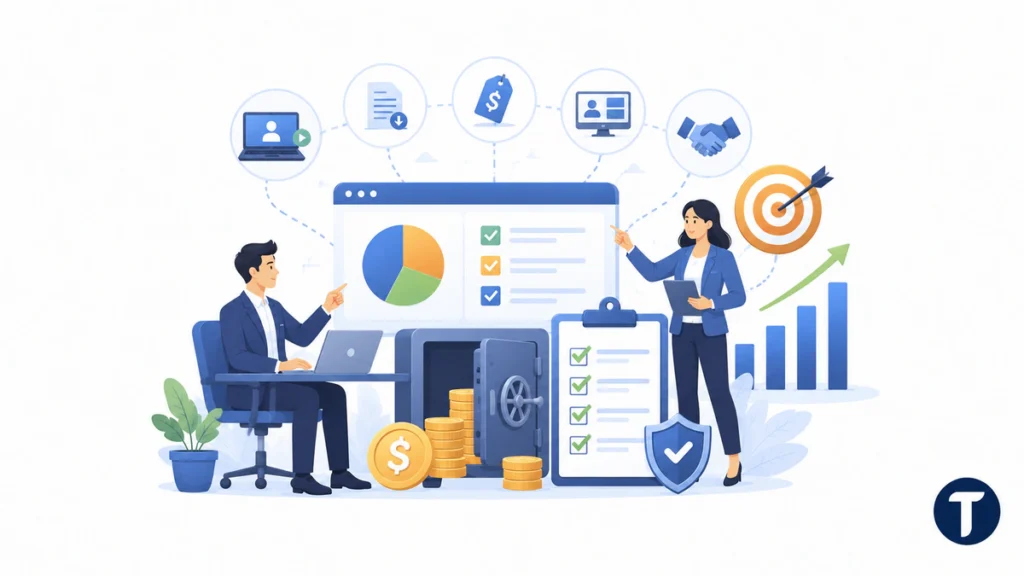
Unspent procurement budgets are not free money. Buyers still need a business case, a low-friction approval path, and confidence that the vendor can deliver quickly.
Top B2B sales teams look for accounts that already showed intent during the year. These may include prospects who requested a demo, asked for pricing, attended a webinar, downloaded a comparison guide, or paused because the timing was wrong.
A useful year-end message connects the purchase to a near-term business problem. Instead of selling a long transformation, the salesperson explains how the buyer can solve a specific issue before January.
- Protect budget that has already been approved.
- Fix a process problem before the next planning cycle.
- Improve operational efficiency before Q1 demand starts.
- Reduce risk before annual goals are reviewed.
- Start onboarding now, then expand usage after year-end.
The best Q4 offers feel achievable. They do not ask the buyer to reorganize the whole company in six weeks.
Score Q4 Deals before Prioritizing Them
A full pipeline can still hide weak opportunities. Sales managers should score Q4 deals before giving them more time.
| Deal Signal | Strong Q4 Fit | Weak Q4 Fit |
|---|---|---|
| Budget | Approved or likely to expire soon | No budget owner identified |
| Authority | Decision-maker involved | Only lower-level interest |
| Timeline | Buyer agrees on a year-end or January plan | No clear decision date |
| Process | Legal, finance, and procurement steps are known | Approval path is unclear |
| Scope | First phase is simple and quick to start | Rollout depends on major change |
| Pain | Problem affects current goals | Problem is interesting but not urgent |
Deals with several strong signals deserve faster follow-up. Deals with weak signals may still be valuable, but they should often move into a January sales plan instead of draining Q4 attention.
Re-Engage Quiet Prospects with a Better Reason to Reply
Late-year selling is a good time to revisit quiet prospects because the context has changed. A deal that felt optional in May may feel urgent when annual revenue, sales goals, or department plans are under review.
Weak re-engagement sounds like a generic check-in. Strong re-engagement gives the prospect a reason to reconsider the conversation.
- Reference the original pain point or project.
- Ask whether it still affects their Q4 plan.
- Offer one specific next step, such as a 15-minute review.
- Make it clear that a January start is also acceptable if Q4 is too tight.
A simple message can look like this:
When we spoke earlier this year, improving reporting speed was one of the priorities you mentioned. Is that still part of your Q4 plan? If so, we can review a small first phase that starts before year-end and expands in January if the timing is better.
That last point matters. Too much pressure can feel like a discount tactic. A clear timeline builds trust because it gives the buyer control.
Gartner’s B2B buying journey research shows how much modern buying happens through research, internal discussion, and stakeholder alignment before a buyer speaks deeply with sales. For Q4, that means sales teams need to make every conversation easier, clearer, and more relevant.
Focus on High-Velocity Deals, Not Every Big Deal
Large enterprise deals can be valuable, but many are too slow for a successful year-end close. The better Q4 sales strategy is to separate quick-moving opportunities from deals that need more discovery, compliance, or implementation planning.
High-velocity deals usually have clear signs:
- The prospect recently asked for pricing or a proposal.
- The business problem is urgent and easy to explain.
- Legal, finance, and procurement steps are already known.
- The first implementation phase is small enough to start quickly.
- The decision-maker agrees on the timeline.
Sales managers should also remove friction from the final steps. Shorter contracts, clear bundles, simple onboarding, and transparent discount rules help prospects decide without feeling rushed.
A year-end discount can help, but only when it supports a real buying reason. If the only value is a lower price, the deal may not survive renewal.
Use Q4 Offers without Copying Retail Holiday Sales
B2B teams can learn from retail holiday planning without acting like ecommerce brands. Black Friday, Cyber Monday, gift sets, fast shipping, ad spend, AOV, average order value, and holiday promotions work for retailers because shoppers expect urgency and clear offers.
B2B buyers think differently. They care about risk, implementation, stakeholder approval, customer relationships, and perceived value. A retail marketing guide may focus on fast buying decisions, loyalty programs, complementary products, targeted ads, engaging content, and early shoppers. A B2B team should not copy that playbook directly, but it can use the same planning early mindset.
That can mean a smaller starter bundle, a fixed implementation scope, a planning workshop, or a year-end package that rolls into a longer January sales plan. The offer should help the buyer capitalize on available budget while protecting profitability for the vendor.
The actionable lesson is to optimize the offer around decision speed without making the offer feel last-minute or shallow.
Keep Prospecting while Competitors Slow Down
Some teams stop prospecting when the calendar gets messy. Top teams do the opposite. They keep outreach active because December often opens space in the buyer’s schedule.
The goal is not always to close in December. Sometimes the best outcome is a qualified January opportunity with the right stakeholders already engaged.
A practical end-of-year prospecting strategy should include:
- Targeted ads or content for buyers researching annual planning.
- CRM lists of stalled prospects with clear next actions.
- Existing customers who may need upselling and cross-selling.
- Messages tied to planning, budget use, or customer experience goals.
- KPIs that separate booked meetings, qualified pipeline, and closed revenue.
The same discipline helps marketing campaigns, too. Compare sales volume year over year, match the marketing strategy to the strongest accounts, and create a sense of urgency around a useful next step. The long-term customer relationship matters more than a short spike.
Q4 activity should set new sales conversations in motion, not just squeeze the current pipeline or one sales goal.
When to Move a Deal into January
A strong Q4 sales strategy also tells reps when to stop forcing a close. Some opportunities are real, but they are not ready for a year-end contract.
Move a deal into January when the business case is still unclear, the decision-maker is not involved, legal review has not started, or implementation would require too many people during the holiday period.
This does not mean the deal is lost. It means the salesperson should secure a clear next step before the year ends, such as a stakeholder meeting, proposal review, pilot plan, or Q1 kickoff date.
That approach protects the buyer relationship and gives the sales team a stronger start to the next quarter.
Build Trust through Customer Experience
Buyers move faster when the next step feels safe. Clear timelines, honest implementation limits, and simple handoff notes improve the customer experience before the contract is signed.
This is also where teams can capitalize on existing customer relationships. A renewal, expansion, or small pilot may close faster than a cold opportunity because the buyer already knows the product, support model, and expected outcome.
Speed works best when it reduces doubt, not when it pressures the buyer.
Final Overview
The best B2B teams do not treat year-end as a scramble. They turn it into an action plan built around timing, buyer intent, and operational discipline.
They identify procurement budgets early, raise outbound activity before November, re-engage quiet prospects, and focus on deals that can close without unnecessary complexity. They also keep building January pipeline, because a successful Q4 is not only about this year’s number.
A strong Q4 sales strategy helps B2B sales teams protect sales targets, use procurement budgets responsibly, and create momentum that continues after the year-end deadline passes.