How Image to Video AI Is Powering the Next Creator Economy
Introduction
A still photo used to sit there like a poster on a wall. With image to video AI, it can now show a product, a face, a place, or a mood while also moving the story forward on its own.
Now that same image can blink, turn, wave, sell, teach, and tell a story. For creators, that changes the starting point. You no longer need a full shoot every time you want to test a new idea, post a short clip, or bring an old asset back to life.
A flat image may catch the eye. A moving clip can hold it for three more seconds, and those seconds can shape trust, sales, and memory. That is why image to video AI now matters so much inside the creator economy.
Quick Answer
Image to video AI powers the next creator economy by helping creators turn still images into short, usable videos faster. It cuts production time, makes content testing easier, and gives solo creators, influencers, and small brands more ways to publish polished visual content without needing a full video team.
Content Creation Gets a New Front Door
Old media work felt like carrying a couch up stairs. You needed a camera, lights, software, talent, edits, and time.
Now the first draft can begin with one image.
I see this most in small brands and solo pages. A bakery can animate a cake photo. A coach can move a headshot.
You no longer need a full crew to create content for every test. With image to video AI, a creator can test a visual idea before turning it into a bigger campaign.
The new door is not cheaper noise. It is faster testing. You can test mood, offer, hook, and format before spending more money.
Start with the message, not the effect. The clip should answer one question for the viewer. Why care? Why now? Why trust this?
How I See AI in the Creator Economy
The creator economy was built on attention, trust, and repeat contact. It changes the pace, but not the core deal.
People follow people for judgment. They buy because they feel seen. They stay because the voice feels steady.
That is why human creators still matter. They know the joke before the trend peaks. They know when a post feels fake. They know the pain behind a comment.
The global creator economy sized in a detailed market analysis was estimated at USD 205.25 billion in 2024 and projected to reach USD 1,345.54 billion by 2033, according to Grand View Research. The same source lists a 23.3% CAGR from 2025 to 2033, which explains why better production tools now matter to small teams, not just studios.
For small teams, image to video AI is one of the tools making that growth easier to act on.
The market is growing because trust at scale has real value.
Where AI Tools Fit in a Creator’s Workflow
These tools work best when they remove the blank page.
Here is a clean workflow I would use for a small campaign:
- Pick one image with a clear subject.
- Write one promise for the viewer.
- Add motion that supports the promise.
- Cut the clip for one channel.
- Track saves, clicks, comments, and watch time.
- Keep the winner, then remake it with a sharper hook.
I like tools like ChatGPT to generate hook ideas, but I do not let a prompt decide the final voice. Your eye still has to make the call.
You can also use tools that animate a still image when you want to turn a static asset into motion without building the scene from scratch. That can be useful for product pages, teaser clips, or social posts where speed matters.
Inside the creator economy, this workflow helps creators publish more often without making every post feel rushed.
The win is not one perfect clip. The win is a faster path to the clip your audience wants.
Use AI Without Losing the Human Touch
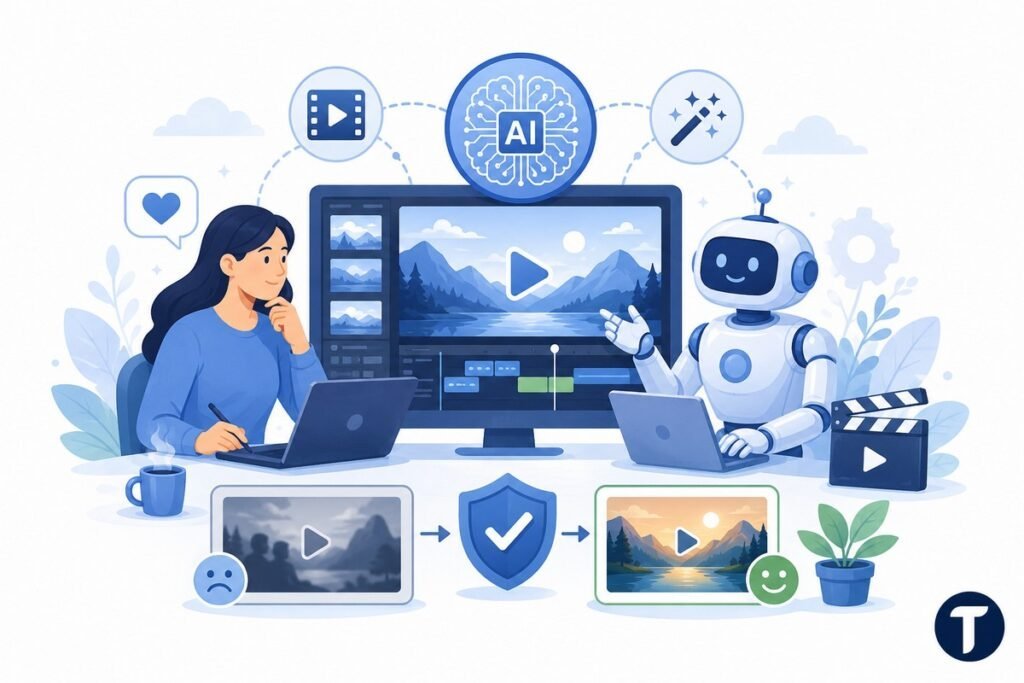
The fear makes sense. Some people hate AI since feeds already feel crowded with slop.
The fix is not to avoid every tool. The fix is to keep judgment at the center. Use the machine for drafts, motion, and rough cuts. Use your taste for the final call.
Shiny motion cannot save weak ideas. A blank offer with motion is still a blank offer.
Image to video AI works best when it supports the creator’s taste instead of replacing it.
Treat the clip like a handshake, not a magic trick. It should feel clear, warm, and worth the viewer’s time.
Generative AI Is a Drafting Partner, Not a Boss
This tech can turn prompts, photos, and notes into rough media. That sounds powerful because it is.
Power still needs a leash.
Video generation tools are getting faster, richer, and easier to test. For creators, that means the next wave of AI video will be less about novelty and more about turning rough ideas into usable motion quickly.
I would still avoid handing the whole story to a generator. The tool can propose movement. You choose the emotion, the cut, and the point.
In the creator economy, the best use of image to video AI is not to remove the creator. It is to help the creator reach a stronger first draft sooner.
A strong prompt may start the scene, but human creativity gives it taste.
AI Generated Content Needs a Human Filter
This type of clip can help a small page act like a lean studio. It can also flood a feed with copycat clips.
The line is care.
Good AI-generated content has a reason to exist. It solves a fear, shows a result, teaches one step, or makes a viewer laugh. Weak AI content just waves for attention.
This is where the AI output needs review before it goes live. Check the hands, faces, product details, captions, claims, and tone. For written elements such as captions, scripts, or voiceover drafts, running the text through an an automated detector with known accuracy limits can add another layer of review before the clip is published.
Image to video AI should still pass the same quality check as any other brand asset.
Never publish a clip you would feel odd defending to a real customer.
AI-Generated Media Changes Monetization
Making money used to come after scale. You posted for months, found traction, then pitched.
Now testing can happen sooner. A creator can animate offers, test lead magnets, and compare short ads before a large shoot.
This makes the model more scalable for small teams. It also opens partnership opportunities for creators and brands with smaller budgets.
A subscription-based page can send fresh content to a subscriber each week. A shop can post one product in five moods. A coach can monetize a small offer with a short clip, an email graphic, and a paid preview.
For the creator economy, faster testing can mean faster proof before a creator spends heavily on production.
Money follows proof. Faster creative testing gives you proof sooner.
AI Influencers, Human Influencers, and Trust
A synthetic persona can get attention because it looks strange, polished, and endless. People with an audience win when they feel known.
That difference matters.
A TikTok star like Khaby Lame shows how much power can sit in a face, a pause, and a clear point of view. Guinness World Records has documented his huge follower record on the platform.
Brands leaning into synthetic characters should be careful with likeness, consent, and disclosure. Viewers do not enjoy feeling tricked.
Even when image to video AI makes a clip look polished, the viewer still wants to know who is behind the message.
Trust is still the real asset. Motion carries it farther.
Virtual Influencers Are Not the Entire Creator Economy
Synthetic personalities may get headlines, but this space is much wider.
It includes teachers, reviewers, gamers, cooks, writers, podcasters, editors, streamers, and local experts. Many creators use the tech to make support media, not to replace their voice.
That is the key split.
Some pages are built around AI avatars. Others are built around real people who want faster drafts, better lighting fixes, or cleaner short clips.
That is why image to video AI fits the creator economy as a support tool, not only as a virtual influencer tool.
The future is not one fake face talking forever. It is more people with more ways to show their ideas.
AI Won’t Kill the Creator Because Real Creators Still Win
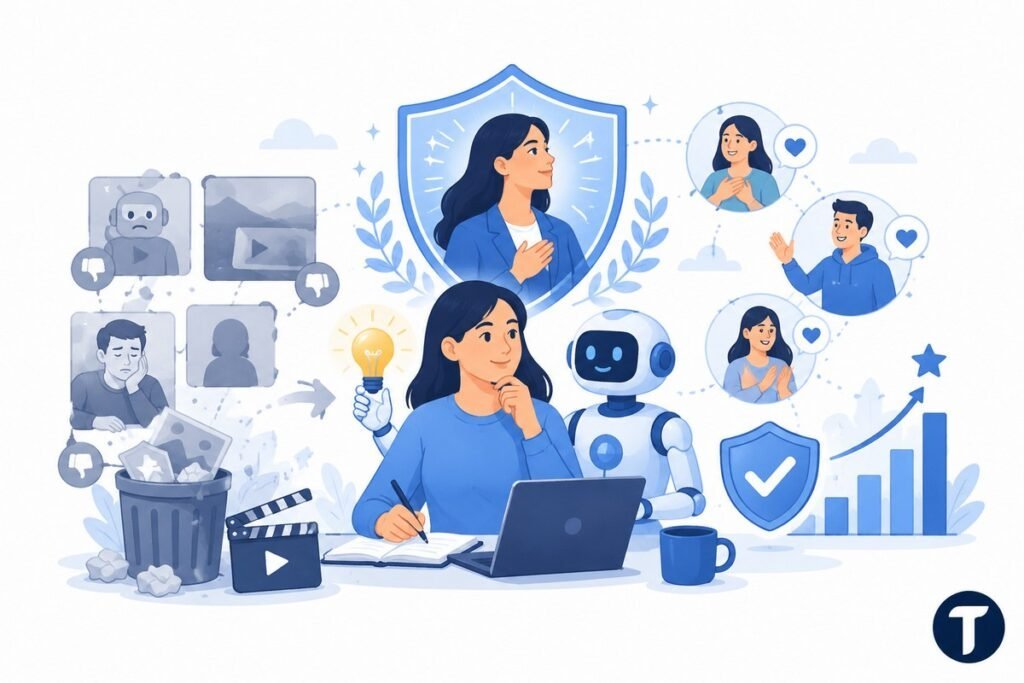
The tool will not erase the person. Weak content was already weak before the tools arrived.
The work still needs a point of view. It needs memory. It needs taste. It needs a reason to come back.
This is why it won’t replace the best voices. It may replace lazy filler. It may replace bland stock clips. It may replace posts made just to fill a calendar.
Strong voices build a long-term brand. They know the audience, the promise, and the line they refuse to cross.
As image to video AI becomes easier to use, the creators with a clear voice will stand out even more.
The more content becomes cheap, the more trust becomes rare.
Agentic AI Agents Will Handle the Boring Parts
Systems with more control will take on small tasks. Think scheduling, resizing, rough cuts, version tests, caption drafts, and basic replies.
That can help creators protect creators’ time.
A system could flag a winning hook, suggest a vertical crop, or draft a respond to fan note based on brand tone. The person still approves the message.
This is where ai-assisted work feels healthy. The boring parts shrink. The creative parts get more room.
In the creator economy, that extra room can help creators focus on ideas, relationships, and offers instead of repetitive production steps.
Automation should protect the relationship, not pretend to be the relationship.
AI-Native Brands Will Move Across Platforms
Modern brands will treat one idea as a seed.
One image can become a short clip, a GIF, an ad test, a product page asset, or a community teaser for several channels. Using image-to-video tools built on diffusion, a single photo can be transformed into an animated clip, allowing teams to test ideas, repurpose visuals, and extend content across multiple platforms. One photo shoot can feed a month of testing.
That does not mean content will get better by default. The biggest risk is sameness. When everyone has the same tricks, the winner is the one with the sharper idea.
A smart team will think human first. What does the buyer fear? What proof do they need? What scene makes the promise clear?
Image to video AI gives AI-native brands more versions to test, but the stronger idea still has to come first.
AI enables more versions, but better content still starts with better thinking.
View Post Before You Publish
Before you preview or schedule, slow down for one pass.
Ask these questions:
- Does the first second make sense without sound?
- Does the motion support the message?
- Does the caption match the visual?
- Does the clip feel honest?
- Does the call to action fit the viewer’s stage?
I would also keep a small record of what worked. Note the image, prompt, hook, clip length, and result. That turns random posting into learning.
If you use image to video AI often, this record helps you see which prompts, styles, and hooks actually support your creator economy goals.
A simple review can save your brand from a weird clip and a wasted test.
Million Views Are Not the Main Goal
A huge spike sounds great, but it is not the whole win.
A smaller clip can sell a product, book a call, grow a list, or bring back an old buyer. That may matter more than a viral spike.
The next creator economy will reward people who pair speed with care. AI to create motion, AI to generate drafts, and AI for content planning can all help. An AI creator still needs taste, proof, and restraint.
Use an ai-enhanced process on platforms like YouTube and Instagram. Test video editing ideas in an AI platform. Try one Runway motion test for style content, but keep your personal brand clear. Keep human content in the loop when AI accounts post support assets.
As AI becomes common, track AI usage. Top AI results can still feel hollow when the idea lacks care. In influencer marketing, influencers could gain more room for planning, testing, and service if brands respect the process. The promise must come from you.
Creating AI clips should feel like adding a skilled assistant, not hiring a stranger to speak in your voice. Image to video AI can help you move faster, but the creator economy still rewards the people who make viewers care.
The future belongs to creators who move fast, stay honest, and keep the viewer first.