
Auto Loan Refinance: How Drivers Can Improve Auto Financing Flexibility
Table of Contents
Auto loan refinance can give drivers more room to adjust payments, interest costs, and loan terms when their current car loan no longer fits their budget.
It works best when you compare offers before changing your current loan, then choose a new structure that supports both short-term cash flow and long-term savings. Done carefully, auto loan refinance can also support better auto financing flexibility without adding unnecessary long-term costs.
The short explanation
Auto loan refinance means replacing your current auto loan with a new loan, often from a new lender, so you can seek a lower interest rate, lower your monthly payment, change the loan term, or update the borrower details. Drivers gain auto financing flexibility when the refinance loan matches their budget, credit score, vehicle value, and long-term plans. The best move is to compare loan offers, check total interest, and avoid stretching repayment just to get short-term relief.
What Auto Loan Refinance Means for Drivers

Refinancing a car loan is not a magic reset. It is a trade. You pay off the old loan with a new loan, then follow the new rate and term.
The useful part is choice. You may be able to choose a better loan structure than the one you accepted when you first bought the vehicle.
I like to think of auto loan refinance as a tune-up for your car payment. The vehicle is the same, but the financing may fit your life better if your credit, income, or market rates have changed.
A driver might refinance a car loan to reduce a monthly payment, shorten the payoff timeline, remove a co-borrower, or move away from an expensive lender. A marketplace can also make it easier to compare options before you apply for an auto loan refinance.
The Consumer Financial Protection Bureau says shopping for an auto loan can affect what you pay, because lenders may offer different rates and terms. That applies to refinancing too, since a small rate difference can matter over the life of the loan.
Auto loan refinance is also about timing. The same borrower, vehicle, and loan balance may produce better offers after credit improves, income becomes steadier, or lender options change.
Why Flexibility Matters in Auto Financing
Car costs can feel fixed once you sign the first loan documents. They are not always fixed forever.
Auto businesses can also make these decisions easier for customers by using practical customer engagement ideas for auto businesses, especially when follow-ups, service reminders, and education help drivers feel less rushed.
Financing flexibility gives you options when your budget, credit score, or plans change. A current loan that worked two years ago may feel too tight now. A loan term that once looked affordable may cost too much interest over time.
Flexible auto financing can mean several things:
- A lower monthly payment when cash flow is tight
- A lower rate if your credit score has improved
- A shorter-term loan if you want to pay off your loan faster
- A cleaner borrower setup after a divorce, sale, or family change
- A chance to move from a poor first loan to a better loan
Auto financing flexibility still needs guardrails. A lower monthly car payment can look great, but a longer length of the loan may increase total interest. That is why the payment and the full cost both need a look.
For many drivers, the main value of auto loan refinance is not just saving money. It is having more control over how the car loan fits into the rest of the household budget.
When Refinancing Can Make Sense
Refinancing makes the most sense when the new loan improves a real problem. It should not just move the same cost into a longer timeline.
A good refinance offer should improve at least one part of your loan without creating a bigger hidden cost. Check the rate, loan term, fees, and payoff amount before you decide.
It may make sense to refinance your auto loan when:
- Your credit score has improved since the original loan.
- Rates have dropped and you can qualify for a lower rate.
- Your income changed and you need to lower your monthly payment.
- You want a shorter loan term and can handle the payment.
- Your current auto loan has an expensive rate, poor service, or limited payment options.
- You need to add or remove a borrower from the car loan.
A common rule of thumb is to look closely when a lower interest rate is at least around 2% below your current rate. That rule is not perfect. Fees, remaining balance, and time left on the loan can change the result.
Use an auto refinance calculator before you sign. A calculator can show whether you save money by refinancing or only shift costs into later months.
Before you refinance a car loan, compare the new monthly payment with the total repayment amount. That helps you decide whether the refinance improves your finances or only delays the same cost.
How Credit Score and Credit Checks Affect Your Options
Your credit score plays a large role in auto refinance loan offers. Lenders also look at income, vehicle age, mileage, loan balance, and whether the car is worth enough to support the new loan.
Better credit can open the door to better loan terms, but it is not the only factor. A lender may still say no if the vehicle is too old, the balance is too small, or the loan-to-value ratio is too high.
Many lenders let you check your credit with a soft inquiry during prequalification. A soft check should not affect your credit score. A hard credit check may follow if you choose an offer and complete a full application.
You can review your credit report before applying. The official AnnualCreditReport.com site gives free access to credit reports from the major bureaus, and the Federal Trade Commission explains how to use those reports to spot errors.
If you have good credit, compare more than one refinance lender. If your credit is in good standing but not perfect, focus on lenders that show prequalified loan rates before a full application.
Credit matters because auto loan refinance depends on lender confidence. A stronger profile may give you more auto financing flexibility, while weaker credit may limit your rate and term options.
Steps to Refinance a Car Loan Without Losing Flexibility
The best refinance process is calm and boring. Rushing can turn a useful change into another expensive mistake.
Your goal is not only to get approved. Your goal is to choose a loan with a new structure that fits your life.
Follow these steps before you apply to refinance your car:
- Find the details of your current loan, including payoff amount, interest rate, remaining months, and any fees.
- Check your credit score for free and review your credit report for errors.
- Estimate your car payment goal, but also set a maximum total interest cost.
- Compare loan offers from banks, online lenders, and a credit union if you are eligible.
- Review the rate and term together, not as separate numbers.
- Confirm whether the lender charges origination, title, or prepayment fees.
- Read the loan documents before the old loan is paid off.
This is also where a marketplace can be useful. One search may show several auto loan options, so you can compare before choosing a new car loan.
When you refinance a car loan, avoid judging offers by the monthly payment alone. The best offer is usually the one that improves auto financing flexibility while keeping the total cost reasonable.
Mistakes That Can Reduce Your Financing Flexibility
A refinance can solve one problem and create another if you only focus on the lowest payment. I see this most with drivers who want fast relief and miss the total cost.
The cheapest-looking payment is not always the cheapest loan. A longer loan term can lower monthly pressure while raising total interest.
Avoid these mistakes:
- Extending the life of your loan without checking the total interest
- Ignoring fees that eat up savings
- Applying for too many full loans before comparing soft-check offers
- Refinancing when you owe more than the car is worth
- Choosing a new lender without checking payment rules and customer support
- Skipping a payoff quote from your current lender
Refinancing may not work well if your vehicle is old, your remaining loan balance is low, or your current rate is already strong. It may also be hard if your credit score has fallen since you took the original loan.
The biggest mistake is treating auto loan refinance as a quick payment fix instead of a full loan decision. A flexible payment should still support a sensible payoff plan.
A Practical Way to Compare Refinance Offers
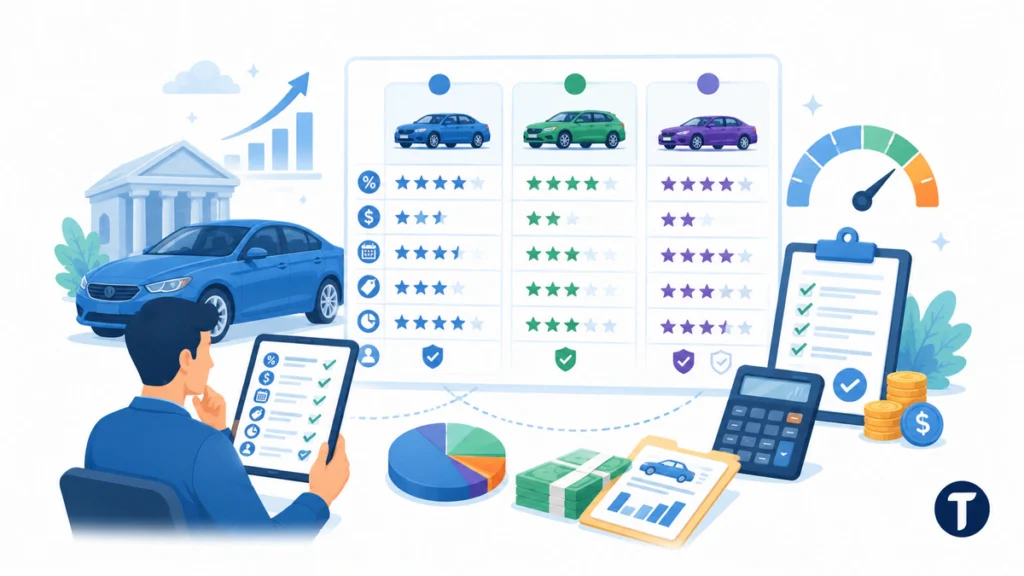
A good comparison is more than rate shopping. Rate matters, but the loan term decides how long that rate has to work against you.
Compare each offer by monthly payment, total repayment, loan length, fees, and credit impact. That gives you a clearer view than payment alone.
Use a simple table like this when offers arrive:
| Offer Detail | What to Check |
|---|---|
| Interest Rate | Is it lower than your current auto loan rate? |
| Monthly Payment | Does it lower pressure without stretching too far? |
| Loan Term | Will the new term add months you do not need? |
| Fees | Do title, lender, or prepayment fees reduce savings? |
| Total Interest | Will you pay less over the life of the loan? |
| Credit Check | Is the first quote a soft or hard credit pull? |
A lower monthly payment can be the right goal if your budget needs breathing room. A shorter-term loan can be the right goal if your income is steady and you want the title sooner.
This comparison also shows why auto financing flexibility means more than simply changing lenders. The right refinance should balance payment relief, interest savings, and a realistic payoff timeline.
Common Questions About Auto Loan Refinancing
Does Refinancing Hurt Your Credit Score?
A prequalification may use a soft credit check, which should not affect your credit score. A full application can use a hard credit check, so keep serious applications within a short shopping window when you can.
Can You Refinance With the Same Lender?
Some lenders let you refinance your car loan with them, but you should still compare other loan offers. Your current lender may not give the best rate just because you already have an account.
What Documents Do You Need?
Most lenders ask for identity details, income information, vehicle information, insurance details, and the payoff amount for the remaining loan. Having those loan documents ready can make loan approval faster.
Is Auto Loan Refinance Always Worth It?
Auto loan refinance is not always worth it. It works best when the new loan lowers your rate, improves your payment structure, or creates useful auto financing flexibility without raising the total cost too much.
Final Thoughts on Better Auto Financing Flexibility
Auto loan refinance is worth a look when your current loan no longer fits your budget, credit score, or plans for the vehicle. Compare offers, check the full cost, and choose the option that gives you more flexibility without hiding a bigger bill later.
The smartest way to refinance a car loan is to treat flexibility and cost as connected goals. A good refinance should make the car payment easier to manage while keeping your long-term financial plan on track.