10 Best QuickBooks Alternatives for Small Businesses in 2026
Table of Contents
QuickBooks alternatives matter when a familiar tool starts to feel expensive, crowded, or too limited for daily work. The right accounting software should make invoicing, reporting, expenses, payments, and small business bookkeeping easier without adding unnecessary setup work.
This guide compares leading options for owners who want clearer pricing, simpler financial tools, and a better bookkeeping fit. The list uses public plan pages, feature checks, migration limits, user fit, and support options rather than unsupported rankings.
The short comparison
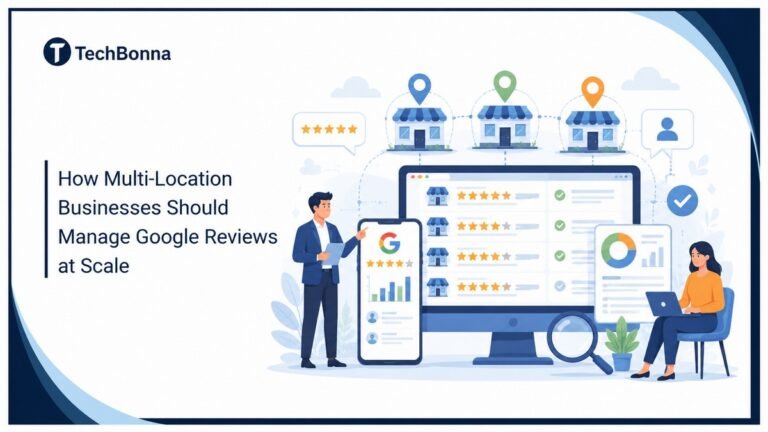
The best QuickBooks alternatives are Xero for growing teams, Zoho Books for value, FreshBooks for service businesses, Wave for free invoicing, Sage Accounting for simple finance control, Odoo for modular operations, FreeAgent for UK tax workflows, NetSuite for scaling companies, Microsoft Dynamics 365 Business Central for ERP finance, and Patriot for payroll-friendly bookkeeping.
Choose by business model first. A freelancer may need invoices, estimates, and online payments. A retailer may need inventory and sales tax. A growing business may need approvals, bank reconciliation, payroll, accountant access, and financial reporting. The best option matches those needs without forcing you into features you will not use.
How We Tested the QuickBooks Alternatives
For this update, each platform was desk-tested against the same checklist: public pricing, invoice limits, bank feeds, expense tracking, payment reminders, payroll availability, accountant access, integrations, mobile app support, reporting, and migration paths from QuickBooks. This is a practical buyer review, not a paid hands-on lab test.
Pricing changes often, so treat every listed price as a buying checkpoint rather than a permanent promise. The QuickBooks plan comparison page is useful as a baseline because it shows what many owners are replacing when they compare competing platforms.
Quick Comparison of the Best QuickBooks Alternatives
Use this table to compare each platform’s best-fit customer, pricing structure, and most important limitation before building a shortlist.
| Tool | Best Fit | Listed Pricing Signal | Main Limit to Check |
|---|---|---|---|
| Xero | Growing businesses | Early, Growing, and Established paid plans | Invoice and bill limits on lower tiers |
| Zoho Books | Value-focused teams | Free plan plus paid Standard, Professional, and Premium tiers | Workflow depth and user limits |
| FreshBooks | Service businesses | Lite paid plan and higher tiers | Client limits and advanced reports |
| Wave | Very small businesses | Free Starter plan plus paid Pro features | Payroll, support, and payment fees |
| Sage Accounting | Simple finance control | Entry paid plans by region | Inventory depth and ecosystem fit |
| Odoo | Modular operations | One App Free plus per-user paid plans | Setup complexity when you add apps |
| FreeAgent | UK freelancers and limited companies | Sole trader and company monthly plans | Regional tax focus |
| NetSuite | Scaling companies | Quote-based pricing | Implementation cost |
| Business Central | ERP-ready finance teams | Per-user monthly ERP plans | Partner setup and training |
| Patriot | Payroll-led small teams | Low monthly accounting plans | Less depth than full ERP tools |
1. Xero – Best for Growing Businesses
Xero is one of the strongest QuickBooks alternatives for owners who want clean dashboards, bank reconciliation, invoices, bills, and accountant collaboration. Its public US pricing page lists Early, Growing, and Established plans, with higher tiers adding broader automation and analytics.
Choose Xero if your small business bookkeeping needs better visibility across bills, cash flow, projects, and connected apps. The main caution is plan limits. Entry tiers can restrict invoices or bills, so a growing company should check the Xero pricing plans before switching from QuickBooks Online.
2. Zoho Books – Best Value for Small Teams
Zoho Books is a strong accounting software option for teams that already use Zoho apps or want a lower-cost alternative to QuickBooks. The public pricing page includes a free plan for very small businesses and paid Standard, Professional, Premium, Elite, and Ultimate tiers.
Zoho Books works well for invoices, expenses, bank feeds, online payments, purchase workflows, and financial reporting. It is a practical choice if you want bookkeeping plus CRM, email, documents, and automation inside the wider Zoho ecosystem.
3. FreshBooks – Best for Freelancers and Service Businesses
FreshBooks is built around invoicing, estimates, time tracking, online payments, expenses, and client communication. Its Lite plan is aimed at smaller client lists, while higher tiers suit service-based companies that need more clients, payment reminders, and advanced features.
FreshBooks is not the deepest inventory finance platform, but it is intuitive for consultants, agencies, contractors, and freelancers. When your financial workflow mostly involves projects, invoices, time, billing, and expenses, FreshBooks can be a simpler alternative to QuickBooks.
4. Wave – Best Free QuickBooks Alternative
Wave is among the easiest options to test when budget is the main issue. The Starter plan supports core invoicing and bookkeeping records, while the paid Pro plan adds more automation, bank import convenience, payment-rate benefits, and support options in supported regions.
Wave is best for side businesses, early freelancers, and very small teams. It becomes less ideal when you need deeper accountant controls, inventory, project management, multi-entity reporting, or a full finance platform for a larger organization.
5. Sage Accounting – Best for Straightforward Finance Control
Sage Accounting is a practical finance choice for owners who want invoices, bills, bank reconciliation, cash flow tools, and established finance-brand support. It can feel less start-up styled than newer apps, but many owners prefer that stability.
Use Sage when your shortlist needs a simple solution with reliable finance basics. Check your local Sage pricing page, payroll options, tax features, and inventory limits before migrating QuickBooks data.
6. Odoo – Best for Modular Business Operations
Odoo differs from most competitors because accounting is only one app in a larger business suite. Its pricing page lists a One App Free option and paid plans for businesses that want finance, inventory, CRM, sales, ecommerce, projects, documents, and automation together.
Odoo fits a growing company that wants small business bookkeeping to connect with operations. It is not the easiest system for a solo owner who only needs invoices and expenses. The more apps you add, the more setup discipline you need.
7. FreeAgent – Best for UK Freelancers and Limited Companies
FreeAgent is one of the most focused QuickBooks replacements for UK freelancers, contractors, landlords, and limited companies. Public pricing separates sole trader and limited company plans, with features for invoicing, expenses, estimates, smart receipt capture, tax workflows, and bank feeds.
FreeAgent is strong when your financial platform must fit regional tax administration. US-based teams may find other tools a better match, but UK users should compare it carefully against QuickBooks, Xero, and Sage.
8. NetSuite – Best for Companies Outgrowing Small Business Accounting
NetSuite is not a cheap QuickBooks alternative. It is a cloud ERP and financial management system for companies that have outgrown entry-level finance programs. Pricing is quote-based, and implementation usually needs planning, configuration, and partner support.
Consider NetSuite when your finance platform needs consolidated reporting, approvals, revenue recognition, inventory, multi-location operations, and deeper controls. TechBonna’s related guide asks accounting platform buyers to compare QuickBooks against true ERP requirements before upgrading.
9. Microsoft Dynamics 365 Business Central – Best for ERP-Ready Finance Teams
Business Central is another step up from standard small business bookkeeping. It combines finance tools with ERP-style purchasing, sales, inventory, projects, workflows, and reporting. It suits Microsoft-heavy teams that already use Excel, Outlook, Teams, Power BI, or Dynamics products.
It can be powerful, but it is not the simplest alternative to QuickBooks. Include partner setup, training, data migration, permissions, and reporting design in your budget before comparing subscription prices alone.
10. Patriot – Best for Payroll-Friendly Small Businesses
Patriot is useful for small teams that want bookkeeping and payroll in the same buying conversation. It is simpler than Xero, Zoho Books, or ERP systems, but that can be an advantage if your daily needs center on payroll, invoices, expenses, and standard reports.
Patriot is worth testing if you want a lightweight alternative to QuickBooks and do not need advanced inventory, project accounting, or deep integrations. Compare plan limits, payroll services, accountant access, and support before switching.
Best Fit by Business Needs
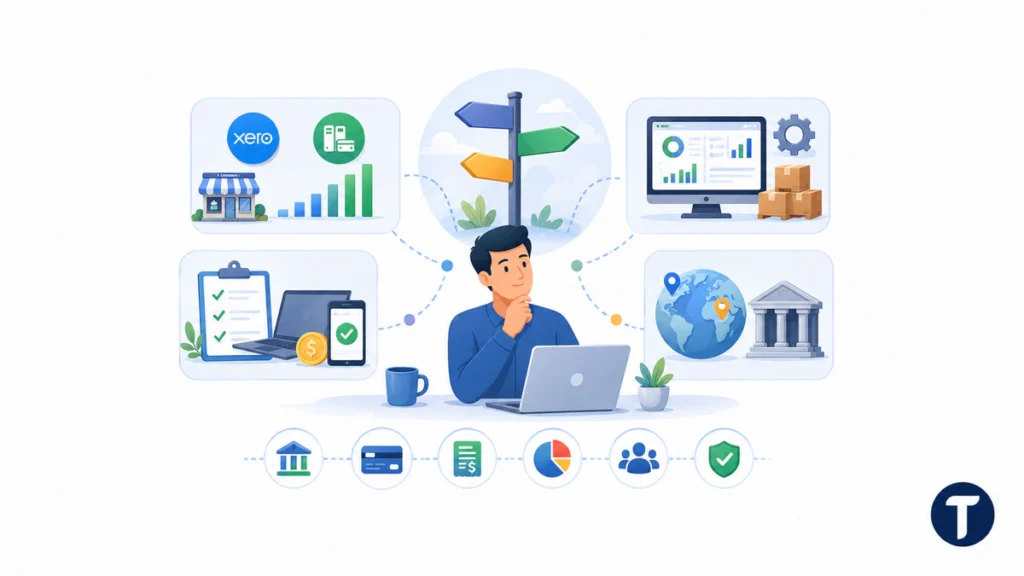
For small and growing businesses, start with Xero or Zoho Books. Xero offers broad features for expanding teams, while Zoho Books is tailored to smaller companies that want value, automation, and access to a wider business ecosystem. Compare QuickBooks alternatives side by side before signing up.
For something lighter, FreshBooks, Wave Accounting, and Patriot are worth testing. Wave can be a popular free choice for basic invoices, although payment processing and payroll costs still matter.
When comparing systems for growing operations, Odoo, NetSuite, and Business Central move beyond QuickBooks into ERP-style functions. These tools can connect finance with sales, inventory, projects, and operations, but they require more setup than simple small business bookkeeping.
Also check QuickBooks Desktop replacement needs before choosing. Some desktop users want familiar reports and accountant workflows. Others want cloud tools that automate bank feeds, support a free trial, handle international operations, and keep core records online.
What to Check Before You Switch from QuickBooks
Before switching, export reports, customer lists, vendor lists, the chart of accounts, open invoices, unpaid bills, payroll data, tax settings, and bank rules. Ask your accountant or bookkeeper which data must migrate and which records can stay archived.
The IRS list of records a business should keep is a practical starting point for that conversation in the US, because it names the record categories that must survive the move rather than the reports you happen to like. Archived data still counts as kept, but only if you can produce it later.
Then test your top two QuickBooks alternatives with real workflows. Send an invoice, reconcile bank transactions, invite an accountant, run a profit and loss report, check sales tax settings, test receipt capture, and confirm how online payments work. A tool that looks cheaper can cost more when migration disrupts established bookkeeping routines.
Build a simple shortlist with one low-cost candidate, one full-featured option, and one platform your accountant already supports. Run the same task in each: create an invoice, record an expense, match a bank transaction, and review a report. This practical test shows whether the workflow is truly better before you move live financial data.
Common questions
What Is the Best QuickBooks Alternative?
Xero is the best QuickBooks alternative for many growing businesses, while Zoho Books is often the best value option. FreshBooks is better for service work, Wave is best for free invoicing, and NetSuite or Business Central fit companies that need ERP-style accounting software.
Is There a Free Alternative to QuickBooks?
Yes. Wave and Zoho Books both offer free-plan routes for very small businesses, although limits apply. Free accounting software can work for simple small business bookkeeping, but paid plans usually become necessary when you need payroll, bank rules, inventory, or advanced reports.
Which QuickBooks Alternatives Are Best for Freelancers?
FreshBooks, Wave, Zoho Books, and FreeAgent are strong choices for freelancers. The best fit depends on client count, invoice volume, tax location, payment methods, and whether time tracking matters.
Can I Move My QuickBooks Data to Another Accounting Software Tool?
Usually, yes, but migration depth varies. Most competing platforms can import customers, vendors, the chart of accounts, transactions, or reports in some format. Always test import tools before canceling QuickBooks.
Should I Choose Accounting Software or ERP?
Choose accounting software if you mainly need invoices, bills, expenses, bank reconciliation, reports, and payroll. Consider ERP when finance must connect to inventory, purchasing, manufacturing, locations, approvals, CRM, and operations.
The recommendation
The best QuickBooks alternatives are not just cheaper apps. They are tools that fit how your team invoices, reconciles, reports, accepts payments, manages payroll, and handles small business bookkeeping. Start with Xero, Zoho Books, FreshBooks, Wave, and Sage for everyday needs, then consider Odoo, NetSuite, or Business Central when operations demand more than bookkeeping. Keep accuracy, usability, and accountant access ahead of discounts.