
Verizon Customer Data Lawsuit: Full Breakdown
Table of Contents
Searches for a Verizon customer data lawsuit usually come from readers who want to know whether their account, privacy, or personal information is at risk. The hard part is that privacy lawsuits often move slowly, and early allegations can look very different after court orders, settlements, or company responses.
This rewrite focuses on a safer way to read the issue. It separates alleged claims from confirmed facts, explains what documents to check, and gives customers practical account-security steps that do not depend on the outcome of any one case.
The short answer
A Verizon customer data lawsuit should be read as a set of legal allegations until a court, regulator, settlement, or company statement confirms specific facts. Do not assume that every data, privacy, or billing lawsuit means a breach occurred, that all Verizon customers are affected, or that compensation is available.
A Verizon data privacy lawsuit may concern alleged security failures, data sharing, consent, tracking, or account practices. A Verizon lawsuit settlement, when one exists, should be confirmed through an official court notice or verified settlement administrator.
This article was last checked on July 20, 2026. It is educational information, not legal advice. If you need legal advice about your own account, talk to a qualified attorney or the official settlement administrator for the specific case.
Start With Confirmed Facts, Not Headlines
Privacy lawsuits often use strong language. Complaints may allege improper sharing, weak security controls, unauthorized account access, data-retention failures, consent problems, tracking activity, or failure to notify customers quickly enough. Those allegations may later be narrowed, dismissed, settled, or proven.
The safest reading habit is simple: separate allegations from confirmed outcomes. A complaint tells you what plaintiffs claim. A motion tells you what parties argue. A court order tells you what the judge decided. A settlement notice tells you what the parties agreed to resolve without necessarily admitting liability.
For any Verizon customer data lawsuit, look for the exact case name, court, docket number, affected product, affected dates, and data types involved. The phrase “customer data” can mean contact details, account records, call-detail records, online identifiers, location data, billing data, or login credentials. Each category carries different risk.
A Practical Verizon Customer Data Lawsuit Timeline
When you research a Verizon customer data lawsuit, make your own short timeline. This keeps you from mixing old claims, unrelated subsidiaries, and current notices.
- Complaint filed: note the date, court, plaintiffs, defendants, and allegations.
- Company response: check for public statements, motions to dismiss, or denial of allegations.
- Court decisions: look for rulings that narrow or allow claims to proceed.
- Class certification: confirm whether a class was certified or only proposed.
- Settlement notice: verify the administrator, claim deadline, release language, and payment rules.
- Final approval: check whether the court approved the settlement and whether appeals remain.
This timeline is more useful than a single article summary because privacy cases can move slowly. A case that sounded serious when filed may later be dismissed. A case that looked small may later reveal a wider class definition.
What Customers Should Check
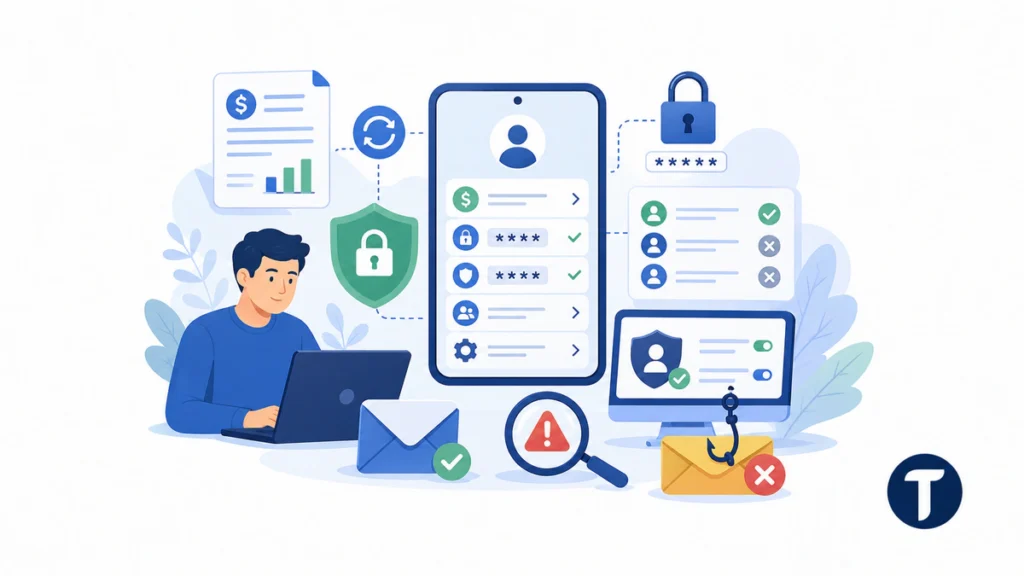
If you are worried about your Verizon account after reading about a Verizon data privacy lawsuit, focus on practical security steps that are useful whether or not you qualify for a lawsuit.
- Review recent bills and account changes.
- Change weak or reused passwords.
- Turn on multi-factor authentication where available.
- Check authorized users and account permissions.
- Review privacy settings and marketing preferences.
- Watch for phishing messages pretending to be settlement notices.
Verizon publishes privacy information through its own privacy pages, and the Federal Trade Commission maintains guidance on data security and privacy. Those sources do not prove a specific lawsuit, but they are useful for understanding the safeguards companies and customers should consider.
How to Judge a Verizon Lawsuit Settlement Notice
A legitimate Verizon lawsuit settlement notice should identify the court, case name, administrator, claim deadline, class definition, benefits, opt-out deadline, objection deadline, and final approval hearing. It should also describe what claims you release if you participate.
Do not click a settlement link from a random text message without verifying it. Search for the case independently, check the administrator’s domain, and compare the details with the court notice. Scam pages often copy brand names and use urgent language to collect personal information.
If a Verizon lawsuit settlement notice says you can receive payment, read the proof requirements. Some settlements require a claim ID. Others allow claims based on account dates. Some require documented losses for larger payments. Many cap total payments based on the number of valid claims.
Privacy Claims Are Not All the Same
A Verizon data privacy lawsuit can involve several distinct legal theories, and the type of claim determines the risk to the customer. A security-breach case may focus on whether controls were reasonable and whether notice was timely. A data-sharing case may focus on consent, disclosures, tracking, or sale-of-data rules. A telecom privacy case may involve customer proprietary network information rules.
That distinction matters because the risk to you is different. Exposed login credentials may require urgent password changes. Marketing-data allegations may require privacy-setting changes. Call or location-data allegations may create more sensitive personal risk.
If case materials identify specific data categories, use those categories to decide what to monitor. Do not assume Social Security numbers, financial account numbers, or passwords were involved unless an official source says so.
Questions to Ask Before Taking Action
Use this checklist before filing a claim, opting out, or sharing information connected to a Verizon customer data lawsuit:
- Is this the same Verizon entity or product that I used?
- Do the dates match my account history?
- Does the notice identify the exact data type involved?
- Is the claims site linked from the court-approved notice?
- What rights do I give up if I accept payment?
- Is the deadline still open?
If you are unsure, contact the administrator through the official notice. For large individual losses, identity theft, or employment-related consequences, legal advice may be worth the cost.
Common Data Categories in Telecom Privacy Cases
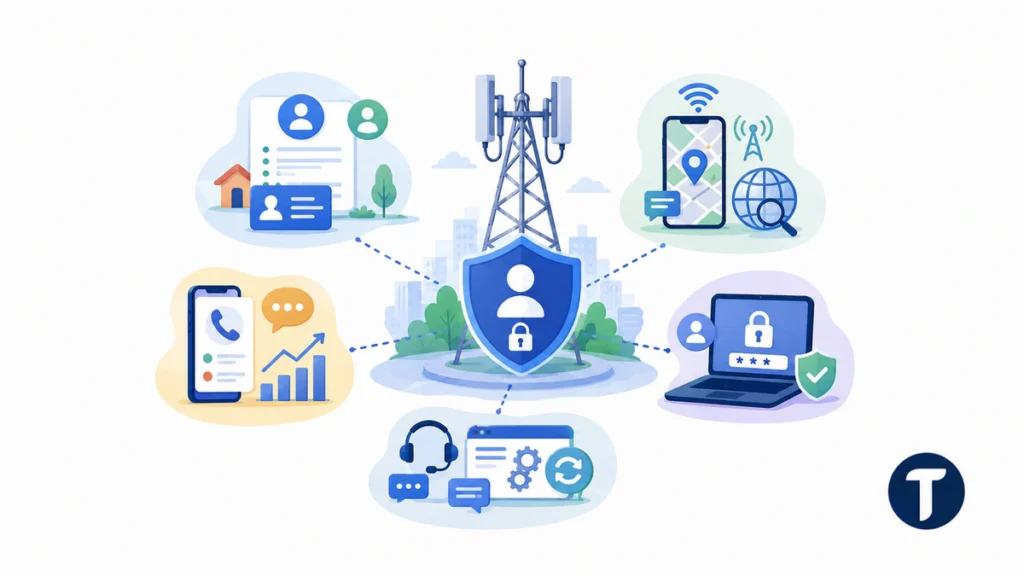
Telecom privacy cases can involve more than one type of information. Account-profile data may include names, addresses, email addresses, phone numbers, account numbers, or service details. Usage data may involve call records, device identifiers, location signals, browsing-related data, or app activity depending on the service. Security data may involve login attempts, password resets, or customer-support verification steps.
The remedy and customer response depend on the category. A password issue calls for account-security changes. A marketing-consent issue calls for privacy-setting review. A billing-data issue may call for credit-card monitoring. A location-data issue may deserve more caution because it can reveal sensitive routines.
A Verizon data privacy lawsuit should identify the data category at issue. If it does not, avoid assuming that the most sensitive information was exposed.
What Verizon Statements Can and Cannot Prove
Company statements are useful, but they are not the whole case record. A statement may confirm that Verizon is aware of a claim, deny wrongdoing, describe security practices, or point customers to support pages. It may not answer every question plaintiffs raise in court.
Read company statements alongside the complaint and court orders. If those documents conflict, use precise wording. Say that plaintiffs allege something, Verizon denies it, or the court allowed only certain claims to proceed. This keeps any Verizon customer data lawsuit summary fair and avoids turning an allegation into an accusation.
Account Safety Steps That Do Not Depend on the Lawsuit
You do not need to wait for a court decision to strengthen your account. Use a unique password, remove inactive authorized users, avoid sharing one-time codes, and be suspicious of calls asking you to “verify” an account after a supposed lawsuit notice.
If you believe your identity information was misused, consider a fraud alert, credit freeze, or identity-theft report through official consumer-protection channels. Those steps are separate from any class-action claim or Verizon lawsuit settlement and may be more urgent than a possible payment.
The two are not interchangeable, and it is worth knowing which one you are asking for. The FTC’s explanation of credit freezes and fraud alerts sets out that a freeze blocks access to your credit report while an alert requires businesses to verify your identity, and that both are free. Choosing deliberately is more useful than doing whichever a settlement email suggests.
How to Avoid Overstating Harm
Privacy harm can be serious, but article wording should stay disciplined. Say “alleged exposure” if the data exposure is alleged. Say “confirmed breach” only if Verizon, a regulator, or a court record confirms it. Say “proposed settlement” before final approval. Say “eligible class members may file claims” only when an official notice says so.
This matters for trust. Readers need to know whether they are looking at a confirmed security event, a privacy-law theory, a marketing-consent dispute, or a dismissed lawsuit that still appears in search results.
Review Schedule for This Page
This page should be reviewed quarterly while any cited case is active, and again after any settlement deadline. The review should confirm the court status, administrator site, claim deadline, appeal period, and any new company or regulator statement. If a case is closed, the article should state that clearly near the top so readers do not waste time looking for an expired claim.
Updates should also distinguish between a newly filed Verizon data privacy lawsuit and an approved Verizon lawsuit settlement. Those events have different legal meanings and require different guidance for readers.
Common questions
Does a Verizon Customer Data Lawsuit Mean My Data Was Exposed?
No. A Verizon customer data lawsuit may involve alleged privacy practices, alleged security failures, or legal theories about consent. Confirm the specific data categories and affected customer group before assuming your information was involved.
What Should I Do If I Receive a Settlement Email?
Do not click immediately. Search for the case independently, compare the email with the official notice, and confirm the administrator domain. A real Verizon lawsuit settlement email should match the court-approved notice. Keep a copy of the notice and deadline.
Is a Verizon Data Privacy Lawsuit the Same as a Data Breach Case?
No. A Verizon data privacy lawsuit may concern consent, tracking, disclosures, data sharing, retention, or security. A data breach case specifically concerns unauthorized access to or exposure of information.
Can I Sue Separately?
That depends on the facts, your contract, the class-action status, and whether you opt out of any settlement. Ask a qualified lawyer before giving up rights or pursuing an individual claim.
For readers, the most useful page is one that states what changed, when it changed, and where to verify it.
If a regulator later publishes findings, the page should be updated again because regulatory language may be more precise than early private pleadings.
What to watch next
A Verizon customer data lawsuit can be important, but it should not be treated as proof by itself. Build a dated timeline, rely on court records and official notices, separate allegations from confirmed facts, and take basic account-security steps while the legal process plays out.
A Verizon data privacy lawsuit should be evaluated according to its specific allegations and court status. A Verizon lawsuit settlement should be treated as current only when the court and official administrator confirm the terms, deadlines, and eligible class.
The best customer response is calm and documented. Save notices, verify links, protect your account, and make decisions only after reading the current court-approved information.




One Comment
Comments are closed.