How To Invest In Starlink
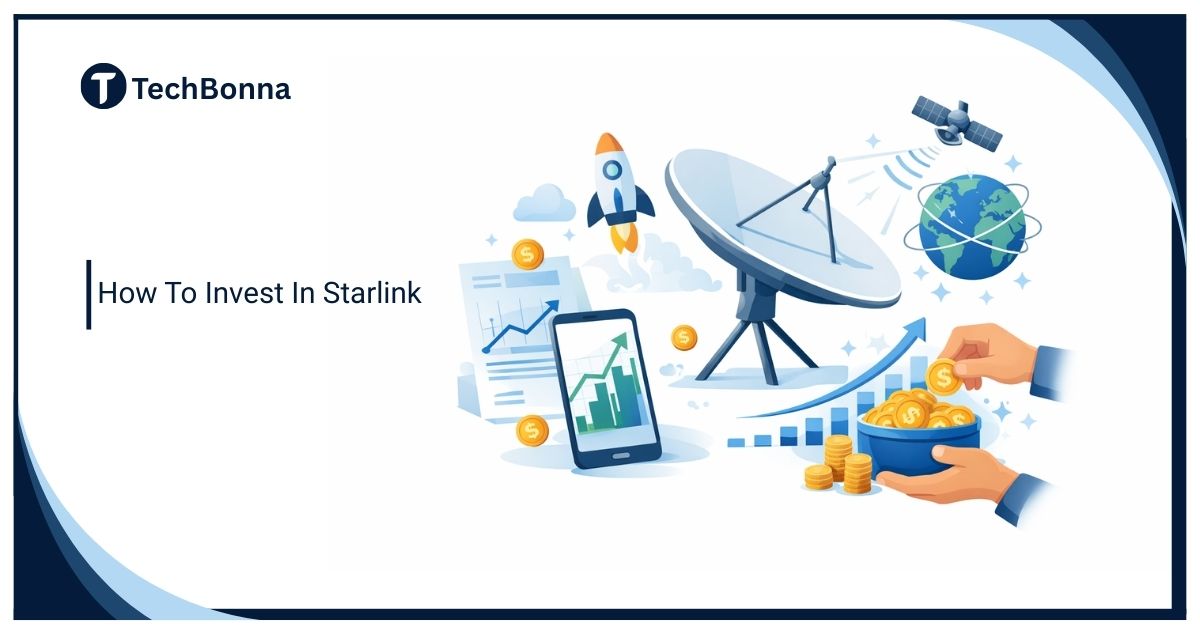
Table of Contents
Starlink is one of the most searched private-company investment topics because it combines satellite internet, SpaceX, Elon Musk, and possible future IPO speculation. Many people searching for how to invest in Starlink expect to find a public company, ticker symbol, or ordinary brokerage listing. However, Starlink is not currently available as a separately traded public stock.
That mix creates real investor interest, but it also creates room for misleading pre-IPO offers and exaggerated access claims. Anyone trying to buy Starlink stock should first understand what type of investment is actually being offered.
This guide keeps the focus educational. It explains why direct Starlink stock is not available like a normal public share, how indirect exposure can work, and what private-market risks investors should check before committing money.
The short version
Retail investors generally cannot buy Starlink stock directly because Starlink is not a separately listed public company. Starlink operates under SpaceX, which remains private.
Some investors researching how to invest in Starlink try to gain indirect exposure through private-market funds, venture vehicles, or companies with space and satellite exposure. However, each route has limits, fees, eligibility rules, and risk. None should automatically be treated as equivalent to owning direct Starlink stock.
This article was last checked on July 20, 2026. It is educational information, not investment advice. Private-company investments can be illiquid, expensive, hard to value, and unsuitable for many investors.
Why You Cannot Buy Starlink Stock Like a Normal Share
Public stocks trade on exchanges where ordinary brokerage accounts can buy and sell shares during market hours. Starlink is different. It is part of a private company structure, so there is no standard Starlink ticker, no public Starlink 10-K, and no exchange-traded Starlink share class for everyday investors.
If a website says you can buy Starlink stock instantly, slow down and verify the structure. It may be selling exposure to a private fund, another space-related company, a token, a contract, or a scam. The name “Starlink” alone does not make the product a direct equity investment.
SpaceX may choose to keep Starlink private, spin it out, or pursue another structure in the future. Until an official registration, prospectus, or listing exists, investors should treat direct access as limited and uncertain.
Understanding this distinction is the first step in learning how to invest in Starlink without mistaking indirect exposure for publicly traded shares.
The Main Ways Investors Seek Starlink Exposure
There are several possible routes, but none gives the same simplicity as buying a public stock directly.
- Private secondary markets may occasionally offer SpaceX-related shares to eligible investors.
- Venture funds may hold private-company exposure, sometimes including SpaceX.
- Public funds or holding companies may own private technology positions.
- Public space, telecom, defense, or satellite companies may provide broad thematic exposure.
- Investors can wait for a future IPO or spinout if one ever happens.
For example, some investors look at venture-style funds such as the ARK Venture Fund or closed-end structures such as Destiny Tech 100 when researching private technology exposure.
These structures are not the same as buying Starlink directly. A fund may own SpaceX shares rather than a separate class of Starlink stock, and Starlink may represent only part of the wider SpaceX business. Holdings, fees, discounts, liquidity, and risks must be reviewed using current fund documents.
Therefore, an investor researching how to invest in Starlink should verify the exact underlying asset rather than relying on a fund name, marketing headline, or general reference to SpaceX.
Private-Market Access Comes With Friction
Private placements often target accredited investors or qualified purchasers. Platforms may require income, net-worth, or suitability checks. Shares may be subject to transfer restrictions, long lockups, limited financial disclosure, and high minimums.
The U.S. Securities and Exchange Commission warns investors to understand private-placement risks before committing money. Private offerings do not provide the same disclosure, liquidity, or regulatory structure as listed public stocks. FINRA also warns that pre-IPO offers can be risky and may be promoted by people who do not fully explain restrictions.
The less transparent the route, the more important the paperwork becomes. Read the offering memorandum, fees, valuation method, redemption rules, and conflict disclosures before treating any private vehicle as Starlink exposure.
Even when a legitimate private route exists, it may not allow an investor to buy Starlink stock directly. The product may instead provide indirect ownership of SpaceX shares through one or more investment entities.
What to Check Before Investing
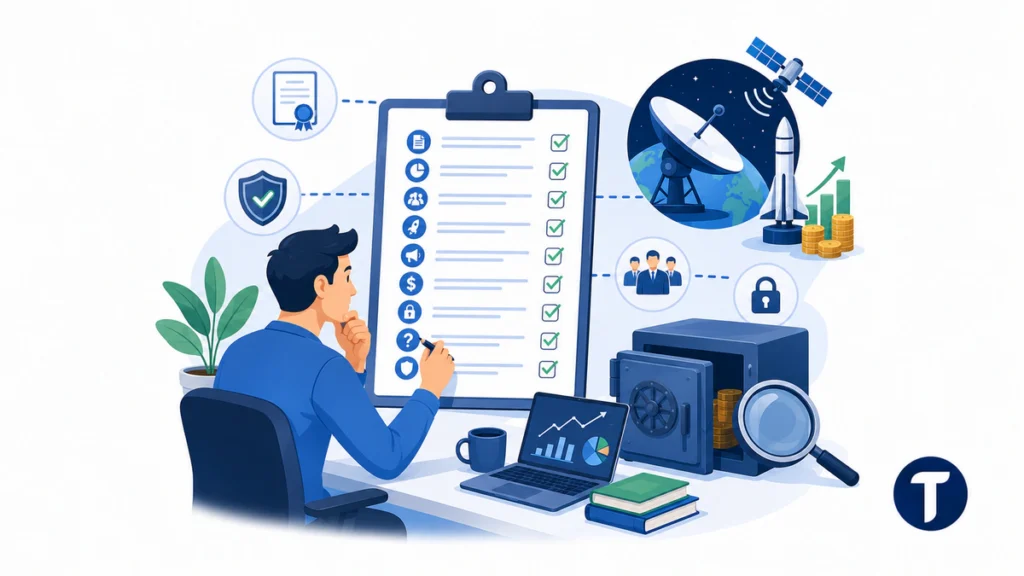
Use this due-diligence checklist for any Starlink or SpaceX-linked opportunity:
- What exact security are you buying?
- Is it direct equity, fund exposure, a note, a derivative, or another company?
- Who holds the underlying shares?
- Does the investment actually include SpaceX?
- Is the seller using “Starlink stock” only as a marketing phrase?
- What fees apply at entry, annually, and on exit?
- Can you sell, and if so, when?
- How is the position valued?
- What happens if Starlink never goes public?
- Is the seller registered or properly exempt?
These questions are essential for anyone deciding how to invest in Starlink through a private fund or secondary-market platform.
Also compare the investment with your broader portfolio. A high-growth private company can still be a poor fit if the position is too large, too illiquid, or too dependent on one uncertain exit event.
Indirect Alternatives to Starlink Stock
If you want exposure to the satellite internet theme rather than Starlink specifically, consider broader alternatives. Public companies in telecom infrastructure, satellite manufacturing, launch services, defense communications, network equipment, and broadband competition may offer related exposure with more liquidity and public reporting.
Indirect exposure is not perfect. A public telecom or aerospace company may have only a small relationship to Starlink’s growth. A space-themed exchange-traded fund may include many businesses that have little to do with consumer satellite broadband.
Still, transparent public securities can be easier to research, size, and sell than private vehicles. They may be more suitable for investors who cannot buy Starlink stock directly or do not qualify for private-market investments.
Investors should also avoid assuming that every space-related fund owns SpaceX. Review the latest holdings, portfolio percentages, fees, and reporting documents before treating a fund as an alternative to Starlink stock.
Red Flags Around Pre-IPO Offers
Be cautious of guaranteed-return language, countdown timers, requests for cryptocurrency payments, fake celebrity endorsements, unofficial “reserved shares,” or claims that the public has a secret final chance to buy before an IPO.
Real private investments use legal documents, identity checks, risk disclosures, and regulated processes. A legitimate seller should clearly explain what investors own and whether the security provides direct or indirect SpaceX exposure.
Also be careful with social-media messages that use SpaceX’s website branding without linking to official materials. A real opportunity should stand up to independent verification.
People searching for how to invest in Starlink may be particularly vulnerable to advertisements that imply an IPO has already started. Do not provide payment details merely because an offer uses the Starlink logo, mentions Elon Musk, or claims that Starlink stock is available before a public announcement.
What Starlink’s Business Risks Mean for Investors
Starlink has a compelling market story, but the risks are real. Satellite networks require large capital spending, launch capacity, spectrum rights, ground infrastructure, customer equipment, regulatory approvals, and continuing maintenance.
Competition can come from fiber, 5G fixed wireless, government networks, and other satellite operators. Changes in regulation, launch schedules, equipment costs, customer demand, or international access could also affect future growth.
Performance can vary by location, congestion, weather, and installation quality. If you want operating context before investing, read practical service discussions such as Does Starlink Work Well in Bad Weather alongside official availability and service documents.
Learning how to invest in Starlink should include reviewing these operational risks, not merely speculating about a future listing or potential valuation.
Valuation Risk Is Different in Private Markets
Public companies publish regular financial statements, and their share prices move in an open market. Private-company exposure is harder to value. A fund may mark its holdings based on financing rounds, internal models, or limited transaction data.
That reported value may not match what you could actually receive if you needed to sell. Private share prices can also vary between funding rounds, employee transactions, tender offers, and secondary-market listings.
This matters for Starlink-related exposure because investor excitement can push people toward products they do not fully understand. A premium to net asset value, a wide bid-ask spread, or a high management fee can reduce returns even if the underlying company performs well.
Before trying to buy Starlink stock through an indirect structure, compare the platform’s valuation with the latest documented financing information and review how frequently the holding is revalued.
Questions to Ask a Platform or Fund

Before investing through any private-market route, ask direct questions and expect clear answers:
- Do you hold SpaceX shares directly, indirectly, or not at all?
- What percentage of the fund is SpaceX or Starlink-related?
- Does the investment provide actual equity or only economic exposure?
- What is the latest valuation date?
- What fees apply each year?
- Can I redeem, transfer, or sell my position?
- What investor qualifications are required?
- What documents prove the position exists?
- What happens if no Starlink IPO occurs?
If the seller cannot answer these questions clearly, you should not treat the opportunity as a simple way to buy Starlink stock.
A platform should also be able to explain whether investors own an interest in a fund, a special-purpose vehicle, SpaceX shares, or another financial product. These distinctions are central to understanding how to invest in Starlink responsibly.
How to Compare the Opportunity With Waiting
Waiting is not passive if you use the time to build rules. Decide what valuation, disclosure quality, liquidity, and portfolio size would make sense if Starlink ever becomes public.
Compare the opportunity with index funds, public telecom companies, space ETFs, or other investments that match your risk tolerance. Investors do not need to purchase an opaque private product merely because they are currently unable to buy Starlink stock through an ordinary brokerage account.
A future IPO may still be expensive or volatile, but it would likely provide more standardized disclosure than a private secondary offer. For many investors, missing a private round is less risky than buying a product they cannot evaluate or sell easily.
Waiting for an official listing may therefore be a reasonable part of a long-term plan for how to invest in Starlink.
Tax and Suitability Questions
Private funds and secondary-market investments can create tax reporting that is more complex than a normal stock purchase. You may receive unfamiliar forms, delayed tax documents, or income allocations that do not match cash distributions.
Ask a tax professional before investing if the vehicle uses partnership reporting, offshore structures, or retirement-account restrictions.
Suitability matters too. A small speculative allocation may be manageable for one investor and reckless for another. Emergency savings, debt, income stability, time horizon, and diversification should come before interest in a famous private company.
The inability to buy Starlink stock today does not mean investors should accept unsuitable fees, lockups, or portfolio concentration to gain indirect exposure.
Review Schedule for This Page
This article should be reviewed monthly if IPO rumors intensify, and at least quarterly otherwise. The review should check official SpaceX or Starlink announcements, SEC filings, private-fund holdings, public fund documents, and warnings from regulators about pre-IPO scams.
If Starlink ever files for a public listing, the article should be rewritten around the official registration documents. At that point, information about Starlink stock, its proposed ticker, financial disclosures, risks, and purchase process should come from the official filing rather than speculation.
Questions that come up
Is There a Starlink Stock Symbol?
No public Starlink stock symbol exists as of the last check date for this article. Be cautious of sites that imply you can buy a normal listed Starlink share through an ordinary brokerage account.
Can Retail Investors Buy Starlink Stock?
Retail investors generally cannot buy Starlink stock directly because Starlink is not separately listed on a public exchange. Some investors may find indirect SpaceX exposure through private funds or public investment vehicles, but these products have different fees, eligibility requirements, and risks.
Is Buying SpaceX Exposure the Same as Buying Starlink?
No. SpaceX exposure may include launch, spacecraft, defense, satellite, and other business lines. It may not isolate Starlink’s economics, and private-company disclosures may be limited.
An investment advertised as an alternative to Starlink stock should therefore be reviewed to determine exactly what assets it holds.
Are Pre-IPO Shares Always a Scam?
No, but they are often restricted, illiquid, and unsuitable for many investors. Fraud also exists in this area, so verification and legal documents are essential.
Investors should remember that satellite internet is only one part of SpaceX’s wider private-company story.
Do not borrow money or use short-term funds for an illiquid private-market position that may take years to resolve.
A simple public alternative may be less exciting, but it can be easier to understand, rebalance, and sell.
Before you start
The honest answer to how to invest in Starlink is that direct access remains limited because Starlink is not a normal public stock. Private-market routes may exist for some investors, but they require careful review of eligibility, fees, liquidity, valuation, and fraud risk.
Anyone attempting to buy Starlink stock should confirm whether the product contains actual SpaceX equity, indirect fund exposure, or no Starlink-related ownership at all.
Keep the position size conservative, verify every document, compare indirect alternatives, and do not rely on hype or implied IPO timing. Waiting for a clearer public-market structure is a valid decision, especially when direct Starlink stock is unavailable through standard brokerage accounts.