Standard Assessment Procedure Software: Complete 2026 Guide for Compliance, Automation & Energy Modeling
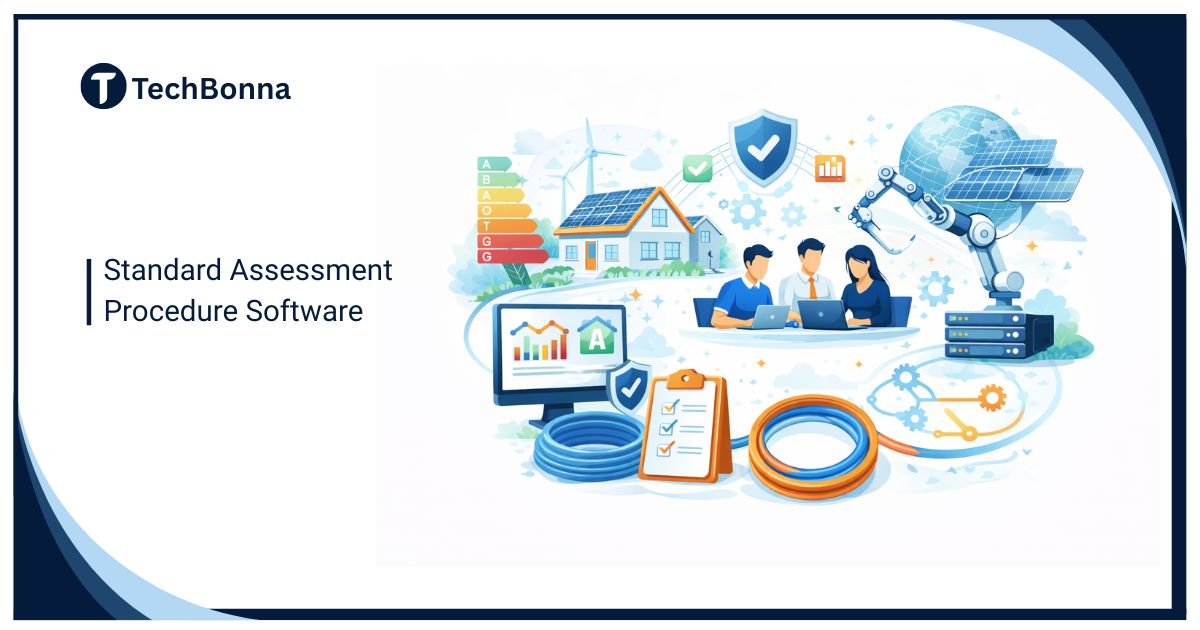
In today’s building and energy industry, Standard Assessment Procedure (SAP) software has become an essential tool for energy assessors, property developers, and regulatory authorities alike. By automating complex calculations, ensuring compliance with government regulations, and generating accurate energy performance reports, SAP software allows professionals to make informed decisions, reduce errors, and streamline project workflows from design through to certification. This comprehensive guide explores everything you need to know about SAP software, including its functionality, key features, industry applications, and future trends for 2026 and beyond.
What Is Standard Assessment Procedure Software?
Definition of Standard Assessment Procedure Software
Standard Assessment Procedure software refers to tools designed to calculate energy performance ratings for residential buildings. It applies the official SAP methodology, integrating regulatory formulas, building data, and energy system inputs to generate reliable reports.
Key aspects:
- Official meaning: SAP software implements the government-approved SAP methodology.
- Link to UK SAP methodology context: UK Government SAP Guidance
- Difference between SAP methodology vs SAP software: The methodology is the framework, while the software is the implementation tool that automates calculations.
What Is the Standard Assessment Procedure (SAP)?
The SAP framework is a standardized approach to evaluate the energy performance of residential buildings in the UK. Its purpose is to ensure consistency, compliance with regulations, and accurate calculation of energy efficiency ratings.
Role in residential energy performance:
- Supports the issuance of Energy Performance Certificates (EPCs)
- Helps assess building design, renovation, and retrofit options
- Quantifies carbon emissions for regulatory reporting
Connection to EPC assessments: SAP calculations form the backbone of EPCs, providing authoritative energy ratings for homes and residential buildings.
Who Uses Standard Assessment Procedure Software?
Typical users include:
- Energy assessors conducting EPC evaluations
- Building consultants reviewing construction compliance
- Property developers planning energy-efficient homes
- Government bodies monitoring compliance
- Sustainability analysts tracking carbon performance
SAP software ensures all stakeholders work with accurate, standardized data.
How Does Standard Assessment Procedure Software Work?
Input-Driven Calculation Model
SAP software requires detailed input data to generate accurate results:
- Building fabric data: Walls, floors, roofs, windows
- Heating systems: Boilers, heat pumps, radiators
- Ventilation: Mechanical, natural, hybrid systems
- Renewable inputs: Solar panels, biomass, wind options
Rules-Based Calculation Engine
The core of SAP software applies regulatory logic and government formulas:
- Implements official calculation rules
- Supports version-controlled updates as regulations change
- Provides consistent results across different assessors
Output Generation and Reporting
SAP software produces structured outputs suitable for compliance, reporting, and analytics:
- Energy rating (SAP score)
- CO₂ emissions calculations
- EPC-ready compliance reports
- Export formats: PDF, XML, API for integration
Scenario Modeling & Forecasting
Advanced SAP tools allow professionals to:
- Compare different design options
- Evaluate the impact of energy upgrades
- Forecast long-term energy performance
This enables proactive decision-making during the design and renovation process.
Why Is Standard Assessment Procedure Software Important?
Regulatory Compliance & Standardization
- Mandatory for EPC issuance in the UK
- Helps avoid penalties and ensures adherence to building codes
Data Consistency for AI & Analytics
- Structured outputs make it compatible with AI and machine learning tools
- Enables trend analysis and predictive modeling for energy efficiency
Cost & Risk Reduction
- Validates design choices before construction
- Minimizes costly retrofits and design errors
Faster Project Approvals
- Streamlined workflows reduce approval times
- Easier coordination with regulatory bodies
Core Components of Standard Assessment Procedure Software
Calculation Engine
Performs the actual energy calculations based on inputs and SAP methodology.
Data Validation Layer
Ensures all inputs are accurate and conform to required standards.
Climate & Reference Datasets
Includes official climate data, reference building templates, and normative values.
Reporting & Export Module
Generates EPCs, CO₂ emissions reports, and other required documentation.
User Interface Layer
Simplifies interaction for assessors and managers with intuitive dashboards.
Version Control & Regulatory Update Manager
Keeps software aligned with the latest SAP regulations.
Key Features of Modern Standard Assessment Procedure Software
- Built-In Regulatory Compliance: Automated adherence to government rules
- Automated Calculations: Reduces manual error and saves time
- Scenario Modeling: Evaluate multiple design options quickly
- Customizable Reporting: Tailor outputs to project requirements
- Integration & Export Capabilities: Supports API, XML, PDF, BIM, and ERP systems
- Cloud-Based Accessibility: Secure, real-time data access from anywhere
- Audit Trail & Explainability Engine: Full transparency for regulatory reviews
Tools & Technologies Behind Standard Assessment Procedure Software
Common Technologies Used
- Python for calculation engines
- .NET frameworks for desktop applications
- Cloud databases for storing input and output data
- REST APIs for integration with external tools
Integration Techniques
- BIM integration for design models
- ERP integration for project management
- Government submission APIs for EPC reporting
API-First Architecture
Modern SAP software often uses an API-first approach for scalability, automation, and easy integration with third-party tools.
Standard Assessment Procedure Software vs Other Energy Assessment Tools
SAP Software vs Dynamic Simulation Tools
- SAP: Regulatory compliance-focused, rule-based
- Dynamic Simulation: Performance prediction, scenario modeling, advanced thermal analysis
SAP vs SBEM
- SAP: Residential focus, EPC compliance
- SBEM: Non-residential, simplified building energy modeling
When to Use Each Approach
- Use SAP for EPCs and residential compliance
- Use Dynamic Simulation or SBEM for detailed design, commercial buildings, or research
Accuracy Comparison
SAP ensures consistent regulatory compliance; simulation tools provide finer-grained modeling accuracy.
Major Benefits of Using Standard Assessment Procedure Software
- Time savings through automated calculations
- Reduced manual error
- Compliance confidence for EPC submissions
- Data-driven planning for energy efficiency
- Competitive advantage for consultancies and developers
How to Choose the Right Standard Assessment Procedure Software
- Scalability: Can it handle multiple projects simultaneously?
- Ease of Use: Intuitive interface for assessors
- Regular Regulatory Updates: Automatic SAP version updates
- Customer Support: Responsive assistance and training
- Pricing Model: Flexible for small and large teams
- Integration Capability: APIs, BIM, ERP compatibility
- Data Security & GDPR Compliance: Secure storage and regulatory adherence
Best Practices for Developing Standard Assessment Procedure Software
- Design Best Practices: Focus on usability, compliance, and accuracy
- Development Checklist: Include regulatory rules, calculation engine, and reporting module
- Testing & Validation Strategy: Validate outputs against official SAP calculations
- Documentation & Audit Transparency: Maintain detailed guides, logs, and regulatory references
Common Mistakes Developers Make
- Hardcoding regulatory values instead of updating dynamically
- Ignoring explainability for auditors and users
- Failing to account for edge cases
- Poor data validation leading to inaccurate results
- Not planning for future SAP updates
Industry Adoption & Service Providers
- Widespread adoption in the UK housing market
- Certification bodies and government approval process
- Market growth trends driven by energy efficiency and sustainability policies
Future Trends in Standard Assessment Procedure Software (2026–2030)
- AI-Assisted Validation: Automated anomaly detection and predictive checks
- API-First Regulatory Submissions: Faster, automated reporting
- Increased Machine Readability: Structured outputs for analytics
- Real-Time Cloud Compliance Checks: Instant verification for new builds
- Integration with Smart Building IoT: Automated data capture from sensors and devices
Internal Linking Opportunities
- Energy management systems
- Building compliance software
- AI in regulatory technology
- Sustainability reporting tools
FAQs: Standard Assessment Procedure Software
What is Standard Assessment Procedure Software used for?
For calculating energy performance, generating EPCs, and ensuring regulatory compliance.
Is Standard Assessment Procedure Software mandatory?
Yes, for EPC issuance in UK residential properties.
Can Standard Assessment Procedure Software be integrated with other systems?
Yes, through APIs, BIM, and ERP integrations.
How accurate is Standard Assessment Procedure Software?
It is highly accurate for regulatory compliance; outputs are verified against official formulas.
What skills are needed to develop Standard Assessment Procedure Software?
Programming (Python, .NET), knowledge of SAP methodology, database management, and regulatory compliance.
How often should Standard Assessment Procedure Software be updated?
With each new SAP version release or regulatory change.
Is Standard Assessment Procedure Software suitable for AI analysis?
Yes, structured outputs can feed machine learning and energy analytics models.
What is the difference between SAP methodology and SAP software?
Methodology is the official framework; the software implements it for calculations and reporting.
Does SAP software work for commercial buildings?
SAP is primarily for residential; commercial buildings usually require SBEM or dynamic simulation tools.