How Can You Choose the Right Platform for Your Email Marketing Campaign?
Table of Contents
Introduction
A strong inbox plan starts with one hard truth. The tool matters, but the fit matters more.
I have seen teams choose a well-known platform because it feels like the safe choice. Klaviyo has become a common benchmark for ecommerce brands seeking stronger email marketing campaigns, better customer segmentation, and sales-focused flows.
That does not mean it is the right fit for every team. Before you choose any platform, study your goals, budget, and daily workflow, then compare support for one-click unsubscribe to find the options that match how you plan to send, sell, and grow.
Your email marketing campaign needs a home that feels easy on a busy day. You should know where to write, who to send to, what to track, and how to fix a weak result without hunting through ten menus.
Quick Answer: Choose the Platform That Fits Your Email Marketing Strategy
The best platform for an email marketing campaign is the one that fits your goal, list size, budget, store setup, and team skill level.
Choose a platform that makes it easy to build your email list, create campaigns, send automated emails, use templates, track reports, and improve results over time.
A good choice should help you:
- Set one clear campaign goal
- Choose the right campaign type
- Build and segment your audience
- Create emails without extra help
- Track open rate, clicks, sales, and unsubscribes
- Grow without a painful price jump
The right platform should feel easy to use on a busy day. It should help you plan, send, measure, and improve your email marketing without adding more work.
Match the Email Marketing Platform to the Work You Do
Do not choose a platform because it looks famous. Choose it because it aligns with how you sell.
Fit the Business Type
Your software should support your real work. I start by asking what kind of business will use it. A service firm, an online store, a coach, a nonprofit, and a local clinic all need different tools.
For ecommerce, the platform should connect to your store and show products, order data, and customer value. For a service brand, the tool may need forms, tags, bookings, and a clean way to send marketing emails to the right groups.
Check the Daily Workflow
A good first test, before you compare tools, is this question: “Could I build one useful email campaign today without asking a tech person for help?” If the answer is no, the tool may slow you down.
You also need to think about the people behind the work. A solo owner needs ease. A busy team needs roles, notes, approvals, and shared access. Like any productivity software, an email marketing platform should make the handoff easier, not heavier. An email marketing team also needs clean handoffs.
An email marketer may care more about split tests, flows, email marketing tools, and reports.
The right tool should feel calm. If every screen feels like a maze, your email marketing efforts will stall.
Compare Types of Email Before You Choose Your Email Campaign Tool
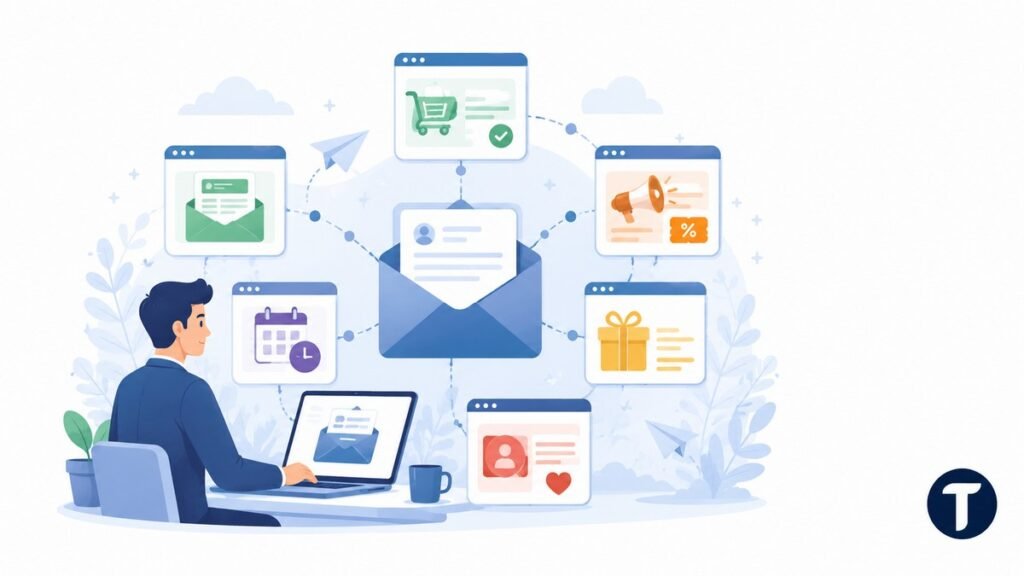
Start with the types of email you plan to send, then match the tool to those needs.
Name the Messages First
A platform that works for newsletters may not work for an abandoned cart email flow. A tool built for ecommerce may feel too heavy for a creator who sends one plain note each week.
Common campaigns include a product launch, a sale note, a class reminder, a win-back note, and a post-purchase email. Newsletter campaigns may need a simple editor and a fast writing flow. Promotional email campaigns may need coupons, timers, and product blocks to create a sense of urgency.
Match the Goal to the Message
The different types of email campaigns you plan to run should guide your choice. If your first goal is to build trust, you may need welcome notes and tips. If your goal is sales, you may need abandoned cart emails, product recommendations, and customer groups.
A good email tool should support different campaigns without forcing you to rebuild your whole setup. I like platforms that make it easy to copy a past email, change the offer, and keep the list rules clean.
The type of email marketing campaign you care about most should sit at the center of your decision. Do not buy a tool for features you may never touch.
Review the Email List and Template Experience
Your list and editor decide how much work each send takes.
Keep the List Clean
A clean email list keeps your plan healthy. Look for easy signup forms, import checks, tags, and groups. You should see where people came from and what they asked to get.
You should also be able to segment your email list without a long setup. A pet store might group dog owners, cat owners, and first-time buyers. A gym might group leads, members, and past members. Small groups make it easier to send relevant content.
Test the Editor
The editor matters as much as the list tools. A good template should save time without making every note look the same. You need space for brand colors, product blocks, buttons, images, and a plain note when that fits better.
Email templates can speed up your email marketing process, but they should not trap you. Check the mobile view. Look at the bottom of the email. Make sure the unsubscribe link, address, and footer feel clean.
Your tool should also guard against mistakes. I like editors that warn you about a missing link, a weak subject line, or a button with no URL before you send emails.
Look for Automated Email Workflows
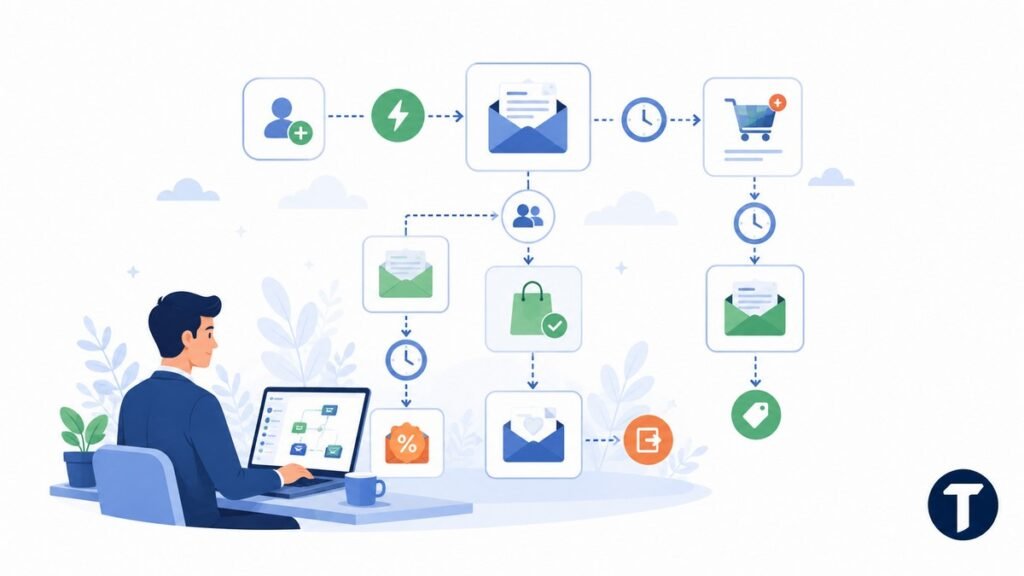
Automation works best when it feels like good service, not a robot waving a coupon.
Map the Flow
Email automation can save time and keep buyers moving. A new subscriber can get a welcome note. A shopper can get a cart reminder. A buyer can get care tips after a purchase.
Automated email flows work well when the rules are clear. You should be able to see the trigger, wait step, message, and exit rule at a glance. If the builder struggles to read, mistakes can hide in the flow.
Automated campaigns matter most when your list grows. You do not want to write the same reminder each week. Marketing automation can handle repeat paths while you focus on offers, service, and new ideas.
Keep the Handoff Clean
A note may feel personal even when it’s sent by a system. Use the customer’s actions, interests, or past orders to shape the message. Personalized content should feel useful, not creepy.
Watch the handoff between flows. A buyer should not get a sales pitch for a product they just bought. A lead should not get five welcome notes because they filled out two forms. The tool should make these rules easy to see.
Check Good Email Reporting and Open Rate Data
Reports should tell you what to fix next. A wall of numbers is not enough.
Read the Core Numbers
A platform should show open rate, clicks, sales, unsubscribes, bounces, and spam marks in a way you can act on. I look for clear charts and plain words. I do not want a report that feels like a math test.
Open rate can point to subject line or sender-name issues. Clicks can show weak offers or weak calls to action. Sales can show whether people want the deal enough to make a purchase.
Email ROI matters, but it should not be the sole score. A welcome flow may build trust before it sells. A guide may teach people what to buy next. A good report gives credit to both sales and email engagement. It also shows the overall email picture without hiding the individual email details.
Turn Results into Better Sends
Use reports to sharpen each send over time. Save the subject lines that worked. Study the links that got clicks. Compare the emails people read with the ones they skip.
Email campaigns don’t win because one report looks good. They win because you use each result to make the next note sharper.
Make Sure the Tool Supports Best Practices and Safe Sending
The platform should protect your sender name as much as it protects your design.
Protect Consent and Trust
Best practices matter because inbox trust is fragile. Your platform should support clean signups, clear consent, easy unsubscribe options, and sender verification. It should also make it hard to send to people who never asked for your email.
The ICO’s electronic mail marketing guidance says messages to individuals generally require specific consent, with a limited soft opt-in for a business’s own previous customers. Because the page is currently marked as under review, UK teams should check the latest version when they design signup, suppression and unsubscribe workflows.
When email addresses come from forms, events, or checkout, the tool should keep the source clear. You need proof of sign-up and a way to remove people who do not want messages.
Keep Each Message Focused
A strong send starts before the draft. The list source, promise, send pace, and offer all shape how people react. If you train people to expect helpful notes, they tend to open your emails.
A good email also has one main job. It may invite readers to read a guide, book a call, claim a coupon, or make a purchase. Cramming three goals into one note weakens the whole thing.
Your platform should support a clean test send, preview tools, and spam checks. These small tools reduce errors, and they help you protect trust with every email.
Choose a Platform That Fits Your Marketing Channels
Email should not live on an island. It should connect with the rest of your sales path.
Connect the Sales Path
Digital marketing works best when each channel has a role. Social may bring reach. Search may bring people with intent. The inbox remains the place where you can speak to people who asked to hear from you.
A digital marketing strategy can include ads, search, social, and content, but email remains one of the most direct paths to the customer. Compared to other marketing channels, it gives you more control over the message and timing.
Check how the platform connects with your store, site, forms, landing pages, and ads. You may need product feeds, coupon tools, customer tags, or sales data. Those ties help you with your email plan without extra copy-and-paste work.
Match the Buyer Stage
Your email content should also match the stage of the marketing funnel. New readers may need trust and tips. Warm leads may need proof. Past buyers may need care notes or smart offers.
A tool that connects the dots will support your work without forcing you to jump between tabs all day.
Test the Platform Like a Marketing Manager Before You Pay
A trial should feel like a dress rehearsal, not a quick tour.
Build a Real Trial
Before you commit, act like the person who must run the plan for one week. Build a list form. Write one note. Draft one flow. Check one report. Ask support one question.
Build messages that match real work. Do not use fake names and fake offers if you can avoid it. Use a real product, service, or message. That test will show whether the tool fits your habits.
Ask the Right Questions
I use this trial checklist:
- Can I build a form in under 20 minutes?
- Can I write and preview a good email without stress?
- Can I create a group based on the signup source or past action?
- Can I set up automated campaigns with clear rules?
- Can I read reports without a long lesson?
- Can you support answering a plain question with a plain answer?
- Can the plan price still make sense in six months?
The best email marketing campaigns come from steady work. A tool should make that work easier, not turn it into a chore.
Learn the Email Marketing Terms Before You Compare Prices

Price pages make more sense when you know what the words mean.
Check the Plan Details
These terms can hide costs and limits. Contacts, subscribers, profiles, seats, sends, flows, segments, and credits may mean different things across platforms.
Before you choose, check what the plan includes. Some tools charge by contacts. Some charge by email volume. Some add fees for SMS, support, advanced reports, or more users.
Common email marketing features can look the same on a sales page, but the details matter. One tool may include split testing on a low plan. Another may lock it behind a higher tier. One may count all contacts. Another may count active people.
Plan for Growth
A strong plan needs room to grow. If the price jumps hard when your list grows, that low starter plan may not stay cheap.
Great email marketing does not require the highest-priced tool. It requires the right mix of features, ease, and fit.
Shape Your Email Marketing Program Around Real Customer Moments
The best platform supports the customer journey, not just the send button.
Start with Customer Moments
Shape your plan around moments that matter. A person joins your list. A shopper views a product. A buyer places their first order. A past customer goes quiet. Each moment needs a clear next step.
Creating email campaigns around these moments gives your work a stronger base. You stop guessing and start matching the message to the reader’s place in the path.
Send Notes at the Right Time
A good flow may start like an email from a helpful person, not a billboard. Email feels better when it respects timing. Send a care tip after a purchase. Send a reminder when someone leaves a cart. Send a thank-you note when someone takes action.
An email that reads like a service can sell without pressure. It can answer the question the reader already has.
When email marketing remains one part of the full customer path, it supports trust, sales, and repeat visits.
Know When a Simple Tool Beats a Large Platform
More features do not matter if they sit unused.
Pick the Tool You Will Use
Many email tools promise power. Power is useful when your team has the time and skill to use it. It becomes clutter when you need one clean email campaign and a few basic flows.
A simple tool may be best when you are getting started with email marketing, building a small list, or testing a new offer. You can start with signup forms, a welcome note, and one newsletter.
Used email marketing data can guide the next step. If readers click product links, build product groups. If they read guides, send more education. If they ignore sale notes, test a softer offer.
Grow When the Need Is Clear
A larger platform may make sense when you have more products, more groups, and more sales paths. The move should come from a clear need, not fear of missing out.
The right email marketing choices come from honest limits. Pick the tool you will use, not the tool you wish you had time to master.
Create Campaigns That Drive Action with a Clear Buying Path
People act when the path feels clear and worth the click.
Keep the Offer Clear
Sales campaigns need one promise, one main offer, and one next step. A reader should know what they get, why it matters, and what to do.
A promotional email can create a sense of urgency by highlighting a short sale window, a low-stock note, or a bonus gift. Keep the claim true. Fake pressure trains people to distrust you.
Match the Click to the Page
A successful email campaign also makes the next step easy. If the goal is a sale, send readers to the product page. If the goal is booking, send them to the booking page. Do not make them search.
A successful email marketing campaign has more than a pretty design. It has a strong list, a clear reason to send, a good offer, and a clean page after the click.
The efficacy of your campaigns improves when the message, audience, and landing page match.
Use Email Marketing Examples to Judge the Editor
The editor should make your best idea easy to build.
Rebuild Real Examples
Sample builds can reveal more than a feature list. Try to rebuild a welcome note, a product drop, a guide share, and an event reminder inside the tool.
Look at how hard it feels to add images, buttons, product blocks, links, and text. Try one plain note too. A text-based email may beat a glossy design when the message needs a human voice.
Creating an email should feel smooth. If the editor fights you, you will send less. If it feels fast, you will test more ideas.
Check Brand Parts
Also, check how the platform handles brand parts. Logos, colors, footers, and reusable blocks should be easy to save. That keeps every send steady without extra work.
A tool passes my test when I can build a draft, preview it, send a test, and spot issues without help.
Pick the Platform That Meets Your Email Marketing Needs
Choose the tool that you can trust on a normal workday.
Choose Fit over Hype
Meet your email marketing needs by choosing fit, not hype. Your best choice should fit your list, offers, skills, budget, and growth plan.
Email marketing still works when it earns attention. People read messages that respect their time and bring value. They ignore noise.
Email marketing is a form of direct contact, but it should never feel like a demand. It should feel like a useful note from a brand the reader chose to hear from.
Build One Step at a Time
When it comes to email, the platform should make your job lighter. It should help you plan, write, group, send, and learn.
Build your email plan one step at a time. Start with the core flows. Send useful notes. Watch the data. Improve your email marketing based on what people do next.
The right platform does not create the whole win. You do. The platform just gives your email marketing campaign a place to grow.