Spectrum Cable Deceptive Billing Class Action: Full 2026 Guide
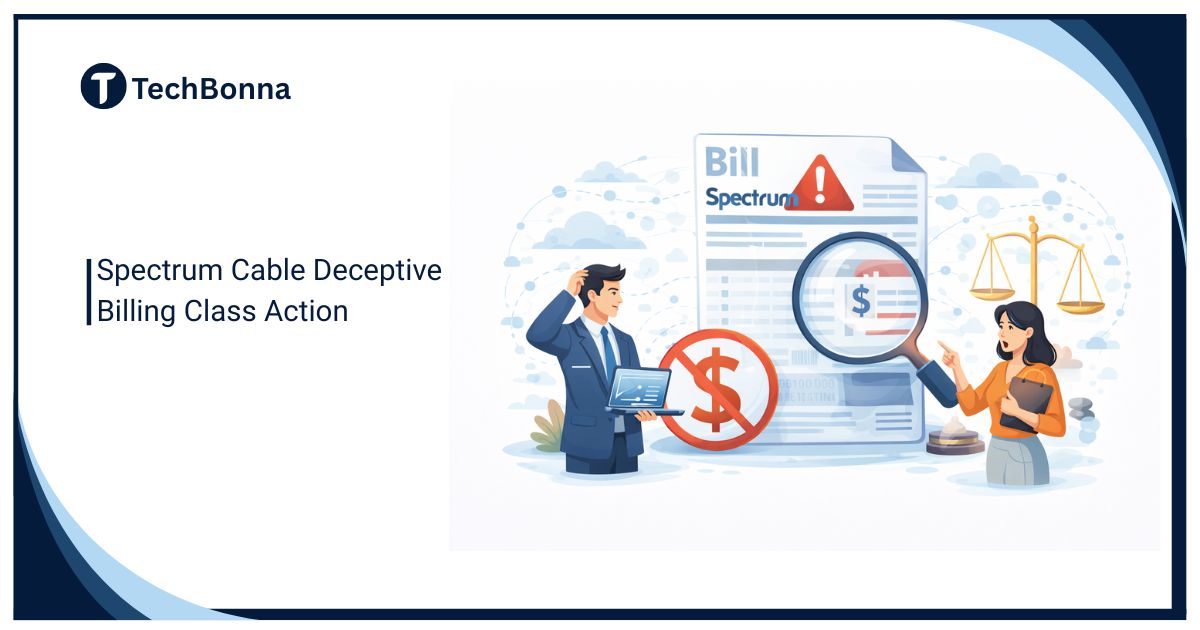
A Spectrum cable deceptive billing class action attracts attention because cable bills are often difficult to read, promotional terms can expire quietly, and line-item fees may not match what customers remember signing up for. That makes any Spectrum billing lawsuit useful to examine, but it also makes it easy to overstate what a lawsuit actually proves.
This updated guide takes a cautious approach. It explains how to verify case status, review your own bill, handle a Spectrum billing dispute, and avoid relying on outdated class-action summaries before sharing personal information or assuming you qualify.
Quick Answer
If you are searching for a Spectrum cable deceptive billing class action, the safest first step is to verify the exact case, court, claims period, and settlement administrator before you act. A Spectrum billing lawsuit may involve narrow allegations, specific states, specific plan terms, or specific fee disclosures. A headline alone is not enough to show that you qualify.
This guide was last checked on July 20, 2026. It is educational information, not legal advice. The status of a Spectrum cable deceptive billing class action can change after a court order, settlement deadline, appeal, or dismissal. Confirm every deadline from the official court docket or settlement site before submitting personal information.
What a Spectrum Cable Deceptive Billing Class Action Usually Means
A deceptive billing claim normally says that a company charged, advertised, disclosed, raised, or described fees in a way that customers say was unfair or misleading. In cable and broadband cases, a Spectrum cable deceptive billing class action could involve broadcast TV fees, equipment charges, service-rate increases, promotional pricing, cancellation timing, taxes, or administrative fees.
The important point is that a class action is not a general complaint box. It must be tied to specific allegations and a defined group of people. A customer who has a Spectrum billing dispute because a bill feels too high may not be part of the class unless the court-approved definition matches their account, location, dates, and charges.
For Spectrum-related billing questions, start by separating three things: your own Spectrum billing dispute, any public Spectrum billing lawsuit, and any court-approved settlement. Those are related, but they are not the same process.
How to Check Whether a Case Is Real
Use a short verification workflow before relying on any article, social post, or claims form about a Spectrum cable deceptive billing class action. Court records and settlement administrator pages should control the facts, not recycled summaries.
- Search the exact case name, not only the brand name.
- Look for the court, docket number, filing date, and latest order.
- Check whether the Spectrum billing lawsuit is still active, dismissed, settled, or on appeal.
- Find the class definition and claims deadline.
- Confirm that any claims form uses the official settlement domain.
Public databases such as CourtListener can help you find federal court activity, while PACER or the settlement administrator may provide fuller records. For an individual Spectrum billing dispute, the FCC consumer complaint center is also worth knowing. If a page asks for sensitive information but does not identify the court, case name, and administrator, treat it with caution.
What to Look for on Your Spectrum Bill
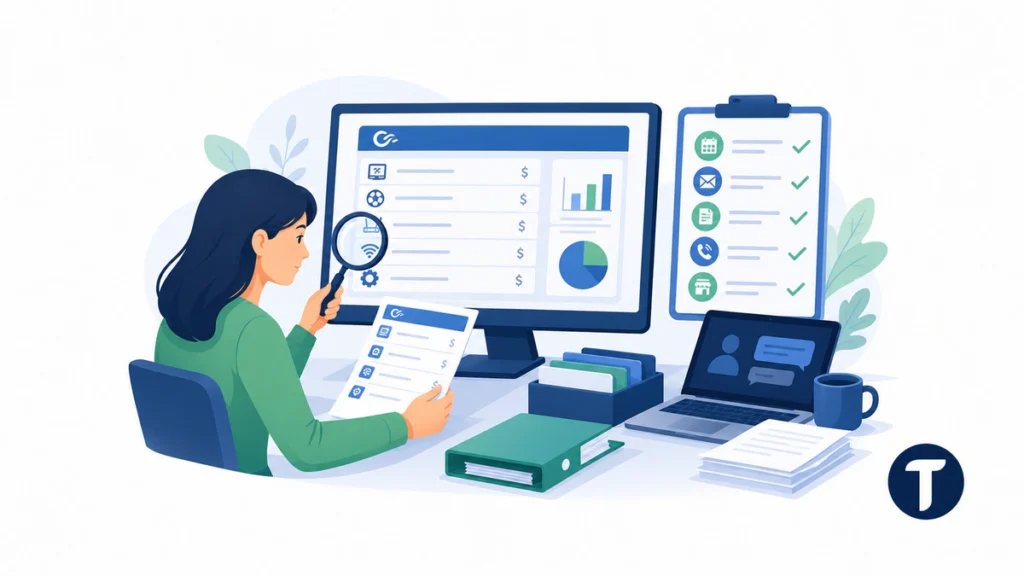
Review the bills from the period mentioned in the Spectrum cable deceptive billing class action or settlement. Save PDFs where possible, because online account portals may not show older bills forever. You want to identify the exact line item behind the Spectrum billing dispute, not just the final amount due.
- Plan name and promotional end date.
- Broadcast, sports, equipment, router, modem, or service fees.
- Price-change notices sent by email, mail, or account message.
- Cancellation date and final bill timing.
- Chat, phone, or store notes about the disputed charge.
A strong personal record helps even if you are not part of a Spectrum cable deceptive billing class action. You may still be able to raise a normal customer-service dispute, arbitration demand, regulator complaint, or small-claims issue depending on your contract and state rules.
Eligibility Is Usually Narrow
Most notices connected to a Spectrum billing lawsuit define eligible customers by account type, service dates, geography, charge type, and whether the customer already opted out or settled separately. Do not assume that every Spectrum customer is included in a Spectrum cable deceptive billing class action.
For example, one case could cover customers in one state who paid a named fee during a narrow date range. Another could involve advertising language for a specific bundle. A third could settle only after excluding business accounts, former customers, or people who received earlier credits.
If you receive a notice, compare it with your billing records. If you do not receive a notice but think you qualify, use the official settlement site or administrator contact details. Do not pay a third party to file a simple claim unless you understand exactly what they are doing.
Safer Steps Before Filing Anything
Because any widely discussed Spectrum cable deceptive billing class action can attract copycat pages, phishing forms, and outdated summaries, protect your personal information. A legitimate settlement may ask for contact details and account information, but it should not ask for unrelated passwords or payment-card logins.
Before submitting a claim connected to a Spectrum billing lawsuit, check the court-approved notice, privacy policy, claim deadline, and administrator details. Keep a copy of the confirmation page or email. If the settlement offers different payment methods, choose the one you can verify later.
You should also keep expectations realistic. Class-action payments can be small after fees, administration costs, and the number of valid claims are calculated. Some settlements provide credits rather than cash.
When to Get Legal Help
Talk to a qualified consumer lawyer if the amount in your Spectrum billing dispute is large, if you missed a deadline, if you want to opt out, or if your issue is not covered by the class definition. Opting out of a Spectrum cable deceptive billing class action may preserve individual claims, but it can also remove your right to receive settlement benefits.
Also consider state consumer-protection agencies, the FCC consumer complaint process, and your state attorney general if the dispute involves ongoing billing practices. Those routes are different from a private class action, and they may fit some problems better.
Documents Worth Saving
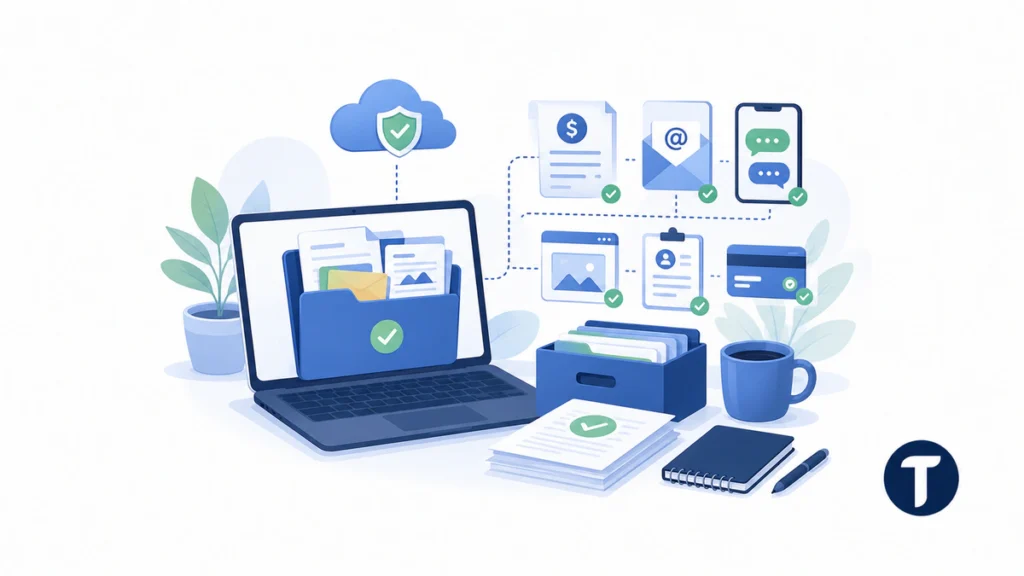
Keep a small folder for anything connected to the disputed billing period or a possible Spectrum cable deceptive billing class action. Include monthly bills, service-change emails, promotional offer screenshots, cancellation confirmations, chat transcripts, and payment confirmations. If you call customer support about a Spectrum billing dispute, write down the date, the number called, the representative name if given, and the summary of what was promised.
This documentation matters because many cable-billing disputes turn on disclosure and timing. A fee may be legal if it was disclosed correctly, but disputed if the advertisement, order flow, or later notice did not explain it clearly. Your own records help show what you saw and when you saw it.
How to Read Old News About the Case
Old articles about a Spectrum cable deceptive billing class action can still rank in search after the case has changed. Check the publication date, then compare the article against the latest docket entry. If the article says a Spectrum billing lawsuit was filed, that does not mean a class was certified. If it says a settlement was proposed, that does not mean final approval happened. If it says customers may qualify, that does not mean the claim deadline is still open.
A reliable update should use careful language such as alleged, proposed, approved, dismissed, appealed, or final. Those words are not filler. They describe the legal status of the claim.
If There Is No Active Settlement
If you cannot find an active settlement for a Spectrum cable deceptive billing class action, focus on your individual Spectrum billing dispute. Ask Spectrum for a line-item explanation, request a corrected bill if a promised promotion was missed, and keep the response. If the dispute remains unresolved, review your service agreement for arbitration, regulator, or small-claims options.
Even when a Spectrum billing lawsuit or class action is not available, clear documentation can support a normal billing correction. The goal is to avoid relying on rumors while still protecting your own account.
Customer-Service Script for a Billing Dispute
If your immediate goal is to correct a Spectrum billing dispute, use a calm script. Say: “I am disputing this specific line item. Please explain when it was disclosed, why it changed, and whether a credit is available.” Ask for the answer in writing or by account note. If the representative offers a credit, confirm whether it is a one-time credit, recurring discount, or plan change.
Do not cancel service in anger without checking early-termination rules, equipment-return rules, and final-bill timing. A poor cancellation record can create a second dispute. Return equipment with a receipt and keep tracking numbers.
Quarterly Review Recommendation
Because the legal and settlement status of a Spectrum cable deceptive billing class action can change, this topic should be reviewed every quarter. The review should check court records, administrator pages, claim deadlines, appeal status, and whether the article still describes an active process. If no active case remains, the page should shift toward general Spectrum billing dispute education rather than implying a live claim path.
FAQ
Does a Class Action Mean Spectrum Broke the Law?
No. A filed Spectrum billing lawsuit contains allegations. A settlement may resolve claims without an admission of wrongdoing. A court order or final judgment carries more weight, but you still need to read exactly what the court decided.
Can I File a Claim If I Never Received a Notice?
Maybe, but only if the official class definition for the Spectrum cable deceptive billing class action includes you and the deadline is open. Use the administrator site or court notice, not a third-party summary, to check eligibility.
Should I Share My Account Number?
Only through an official settlement or verified customer-service route. Never enter account details on a page that does not identify the case, court, administrator, and privacy policy.
Is a Spectrum Billing Dispute the Same as a Class Action?
No. A Spectrum billing dispute concerns your individual account and charges. A Spectrum cable deceptive billing class action involves defined allegations and a proposed or court-approved group of affected customers.
Keep the article date visible because readers may arrive from search months after a deadline closes.
Final Thoughts
The right way to approach a Spectrum cable deceptive billing class action is cautious and evidence-led. Verify the case, read the latest court or settlement documents, match the class definition to your own bills, and avoid speculative eligibility claims.
A Spectrum cable deceptive billing class action can help customers recover money or change practices, but only when the details match. Treat every deadline, claim form, and payout estimate as current only after you confirm it from official records. For an individual Spectrum billing dispute, keep your records and use verified support, regulatory, or legal channels.