
Verizon Customer Data Lawsuit: Full Breakdown
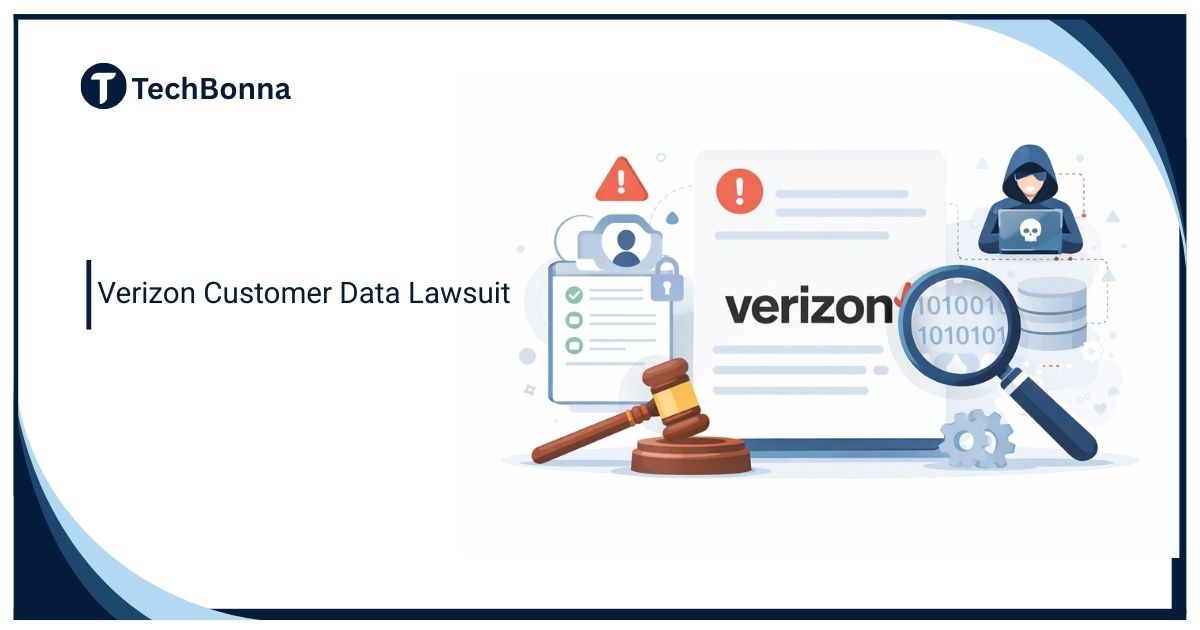
In recent months, Verizon, one of the largest telecommunications companies in the U.S. has come under scrutiny for allegedly misusing customer data. From browsing histories to location tracking, thousands of Verizon users have raised concerns about how their personal information was collected, shared, and monetized without clear consent.
This guide breaks down everything you need to know about the Verizon customer data lawsuit, including its timeline, accusations, eligibility, and how to protect yourself.
Why Verizon Is Under Fire for Customer Data Misuse
What Sparked the Lawsuit
The controversy began when users discovered that Verizon’s Custom Experience and Custom Experience Plus programs were gathering more data than most customers realized. These programs, marketed as tools for “personalized ads,” allegedly tracked web activity, app usage, and even location patterns often without explicit consent.
Who Filed It
The lawsuit was filed as a class action, representing Verizon customers across multiple states. Several privacy law firms collaborated to challenge Verizon’s alleged practices, claiming violations of consumer protection and privacy laws.
When It Started
The first lawsuits were filed in late 2023, and by early 2024, multiple states had joined the investigation.
Summary of Accusations
Customers accused Verizon of:
- Tracking and storing user data without informed consent
- Selling or sharing personal data with third parties
- Making the “opt-out” process confusing and unclear
Quick Takeaway Box
The Verizon data lawsuit centers on accusations that the company tracked and monetized customer data including browsing history and location through its Custom Experience program, without proper consent.
What Is Verizon Accused of Doing With Customer Data?
The lawsuit claims Verizon collected and sold users’ browsing habits, app usage data, and location information to advertisers and data brokers.
Much of this data allegedly came from Verizon’s Custom Experience programs particularly Custom Experience Plus, which collected URLs visited, app usage, and location history.
Critics argue this practice blurred the line between personalization and privacy invasion. Verizon’s case echoes similar controversies faced by AT&T, T-Mobile, and even Google, which have all faced lawsuits for aggressive data monetization tactics.
How Verizon’s “Custom Experience” Program Collects Data
The Program’s Purpose
Officially, Verizon states that Custom Experience programs “help personalize your experience and give you more relevant product recommendations.” In practice, it meant that Verizon monitored how customers use the Internet down to the sites they visit and the apps they open.
Custom Experience vs. Custom Experience Plus
- Custom Experience collects basic insights, like which Verizon products you prefer.
- Custom Experience Plus goes deeper, tracking browsing history, location data, and app activity.
What Type of Data Is Tracked
- Websites visited
- Apps used and duration of use
- Device and location data
- Interaction with ads or Verizon services
Many customers say they were automatically opted in to the program.
Did You Know?
You can check your Verizon data tracking status by opening the My Verizon App → Privacy Settings → Custom Experience. Toggle both options off to opt out.
Did Verizon Obtain Customer Consent Legally?
This is one of the lawsuit’s core questions.
Verizon argues that customers gave “implied consent” when accepting updated Terms of Service or using its app. However, plaintiffs claim Verizon’s consent mechanism was buried in fine print and opt-out based meaning users were automatically enrolled unless they manually disabled it.
Legal experts suggest that this could violate consumer protection and data privacy laws because consent should be explicit, informed, and opt-in not hidden in a lengthy document.
“We may use your personal data to deliver relevant ads and offers,” excerpt from Verizon’s privacy policy, cited in the lawsuit.
Which Privacy Laws Might Verizon Have Violated?
Possible violations include:
- California Consumer Privacy Act (CCPA) – Requires clear disclosure and user consent for data sharing.
- FTC Data Protection Regulations – Mandate transparent data collection practices.
- Telecommunications Act (47 U.S.C.) – Protects customer proprietary network information.
- State Privacy Laws (e.g., Illinois BIPA) – Regulate biometric and personal data usage.
If found guilty, Verizon could face multi-million-dollar fines, mandatory policy reforms, and compensation payouts to affected users.
Timeline of the Verizon Data Lawsuit
| Date | Event |
| Late 2023 | Early consumer complaints surface online |
| January 2024 | Class-action lawsuit officially filed |
| March 2024 | Court accepts multi-state participation |
| June 2024 | Verizon releases privacy update and denies wrongdoing |
| Ongoing | Legal hearings and investigations continue |
Verizon’s Official Response
Verizon denies the allegations, claiming it “does not sell customer data” and that participation in its Custom Experience programs is “optional and transparent.”
It also points to privacy policy updates made in 2024 that “make it easier for customers to manage data preferences.”
However, consumer advocates argue that these measures were reactive, not proactive, and only implemented after public pressure increased.
Who Is Eligible to Join the Lawsuit?
If you’re a Verizon Wireless or Fios customer who used Verizon services during or after 2021, you might be eligible to join the lawsuit.
Steps to Check:
- Log in to your Verizon account.
- Go to Privacy Settings and check if you were part of “Custom Experience” or “Custom Experience Plus.”
- Visit the official class-action portal.
Affected users may receive compensation if the lawsuit results in a settlement.
How to Tell If You’re Affected
Signs that your data may have been collected include:
- You received Verizon marketing emails tailored to browsing habits.
- You were automatically enrolled in Custom Experience programs.
- Your privacy settings were modified without notice.
Quick Tip Table — How to Check
| Step | Action |
| 1 | Open My Verizon App |
| 2 | Tap “Account Settings” → “Privacy” |
| 3 | Review Custom Experience settings |
| 4 | Toggle both options off to stop data tracking |
What Customers Could Receive from the Verizon Lawsuit
Potential outcomes may include:
- Monetary settlements or refunds for affected users.
- Stricter privacy policy requirements for telecom companies.
- Industry-wide reforms on consent and data handling.
In past cases, companies like Google and Meta paid millions in privacy settlements — so users may expect compensation if Verizon is found liable.
How to Protect Your Data from Telecom Companies
Here’s how you can take control of your privacy right now:
- Turn off Verizon’s Custom Experience and Custom Experience Plus.
- Use a VPN to mask browsing data.
- Regularly clear app permissions and cookies.
- Avoid sharing sensitive information over unsecured networks.
Mini Guide Turn Off Verizon Custom Experience:
- Open My Verizon App
- Tap Account → Privacy Settings
- Disable both “Custom Experience” toggles
Broader Impact What This Case Means for the Telecom Industry
The Verizon lawsuit highlights growing public awareness around digital privacy. It also signals that telecom giants will face increased regulatory oversight and tighter consent standards.
Experts predict that this case could lead to nationwide data privacy reforms, ensuring that customers have more control over how their information is used.
FAQs Verizon Customer Data Lawsuit
What is the Verizon lawsuit about?
It alleges that Verizon collected and shared customer data without clear consent through its Custom Experience programs.
Why are people suing Verizon?
Users claim their internet usage and location data were tracked and sold for ad targeting without explicit approval.
Can I opt out now?
Yes, through My Verizon App → Privacy Settings.
Can I sue Verizon directly?
Most users must join the class-action lawsuit rather than file individually.
Is there a deadline to file a claim?
Deadlines vary by state; check official legal updates or class-action websites.
Conclusion Verizon’s Lawsuit Is a Wake-Up Call for Digital Privacy
The Verizon customer data lawsuit is more than a legal dispute; it’s a reflection of how sensitive our digital lives have become. As consumers, we must remain vigilant about how companies use our information.
Whether or not Verizon is found guilty, one thing is clear: data privacy is no longer optional, it’s a right.


One Comment